Close

Destination

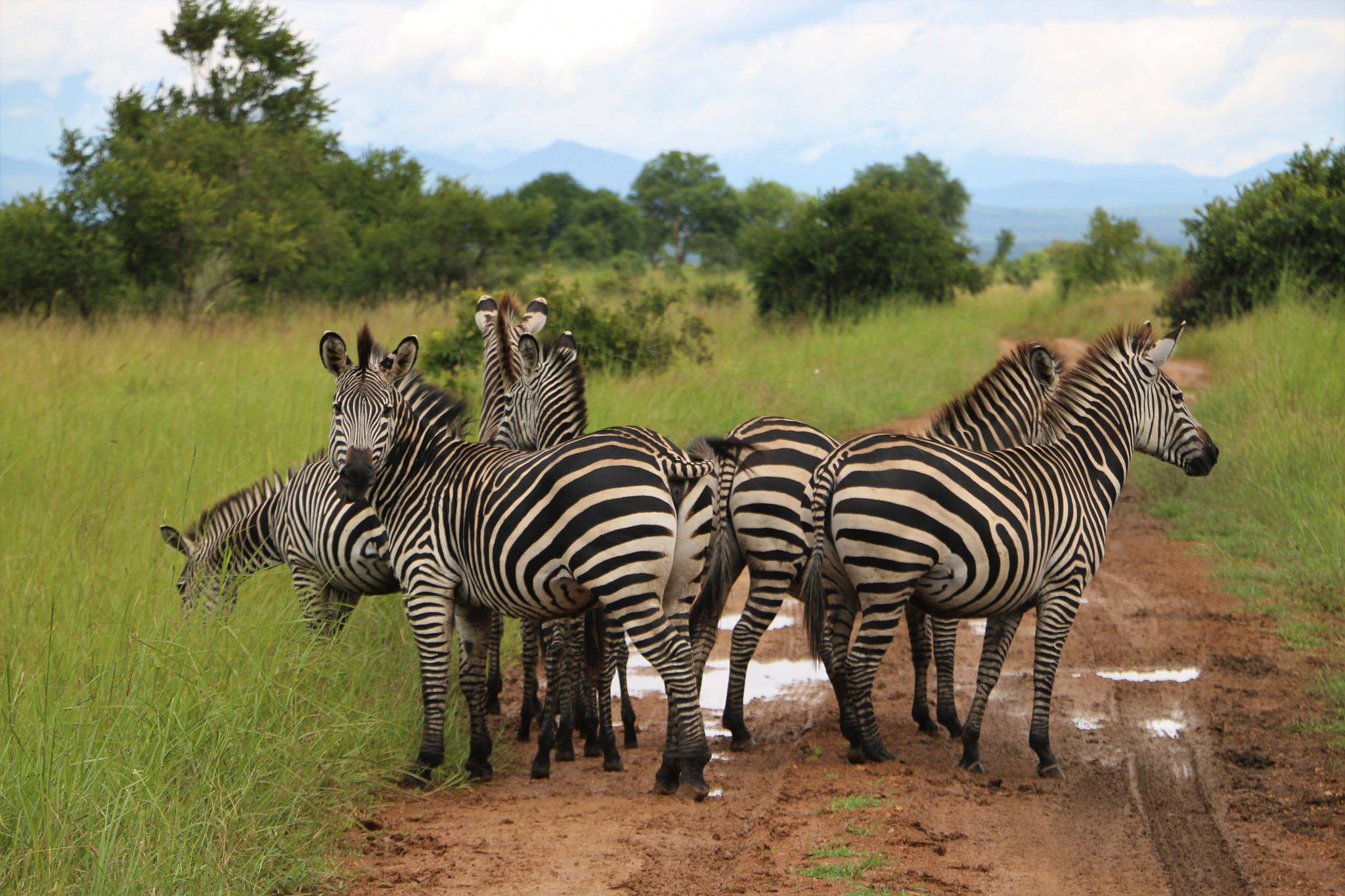
Mikumi_National_Park_Zebras_107

Tours In Mikumi

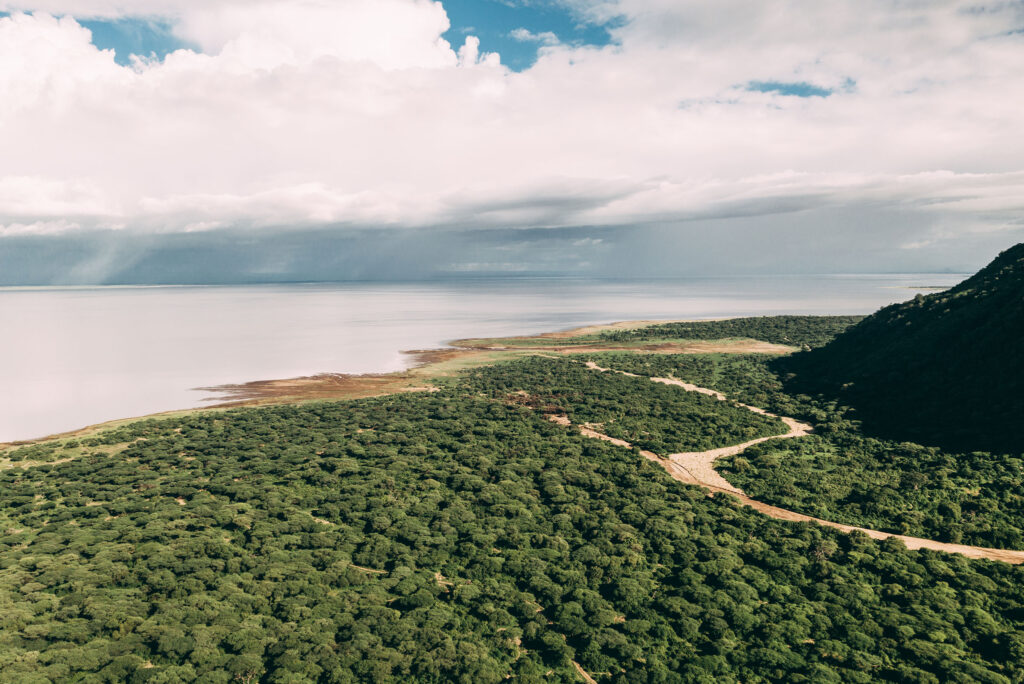
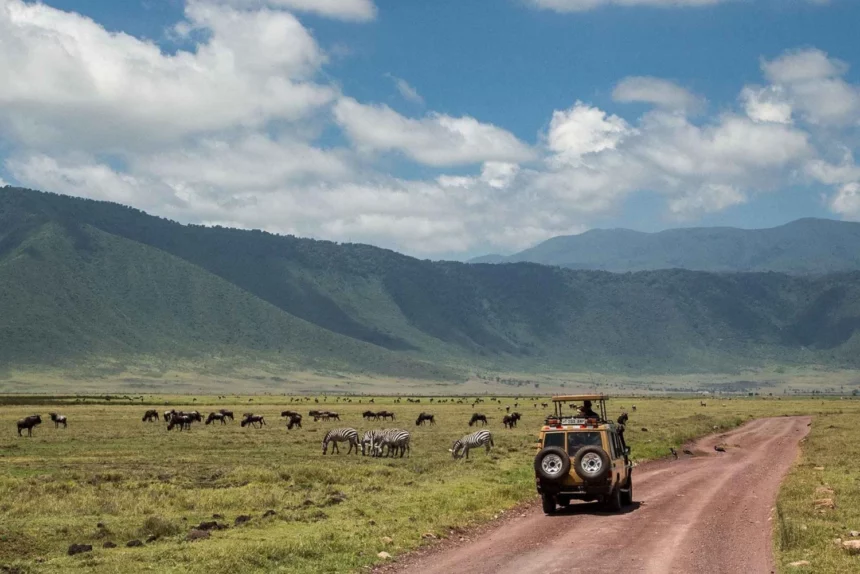
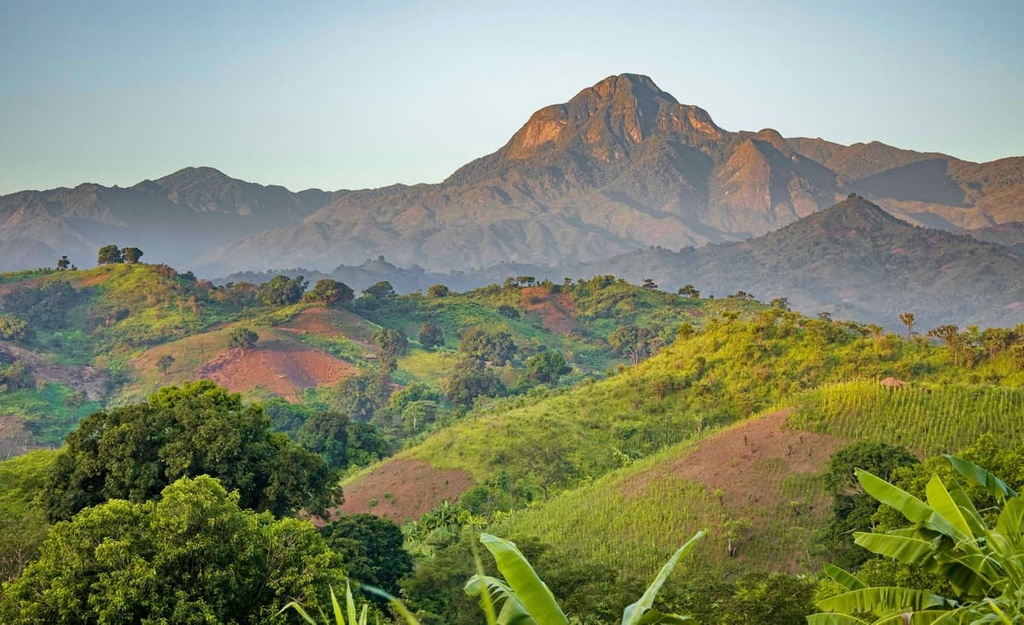
Mikumi in Tanzania is renowned for its stunning "little Serengeti" scenery, characterized by vast, open savanna grasslands, scattered baobab trees, acacia woodlands, and surrounded by mountainous landscapes. The area is primarily defined by the Mkata River Floodplain, which offers expansive, flat, and scenic views.

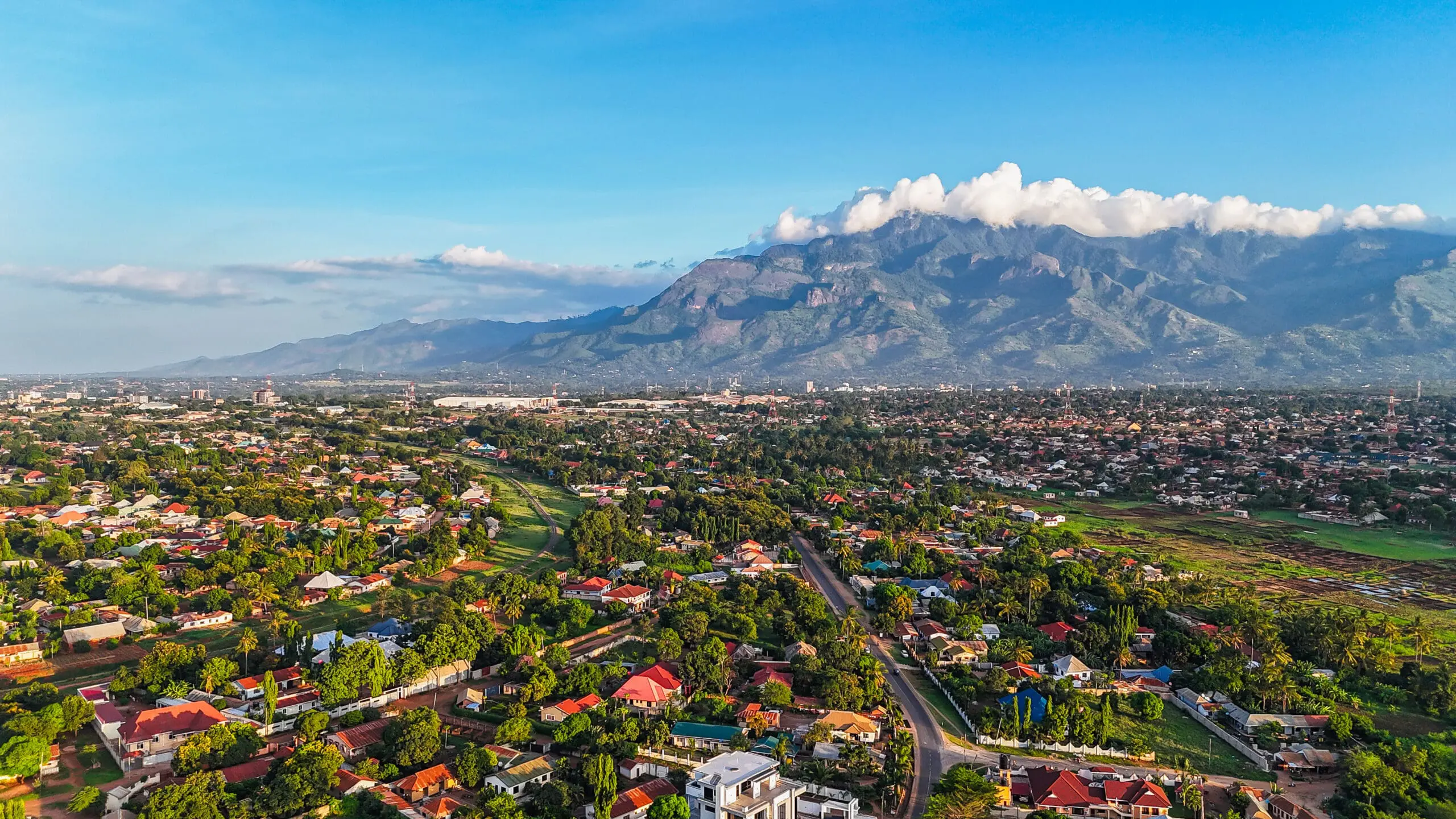
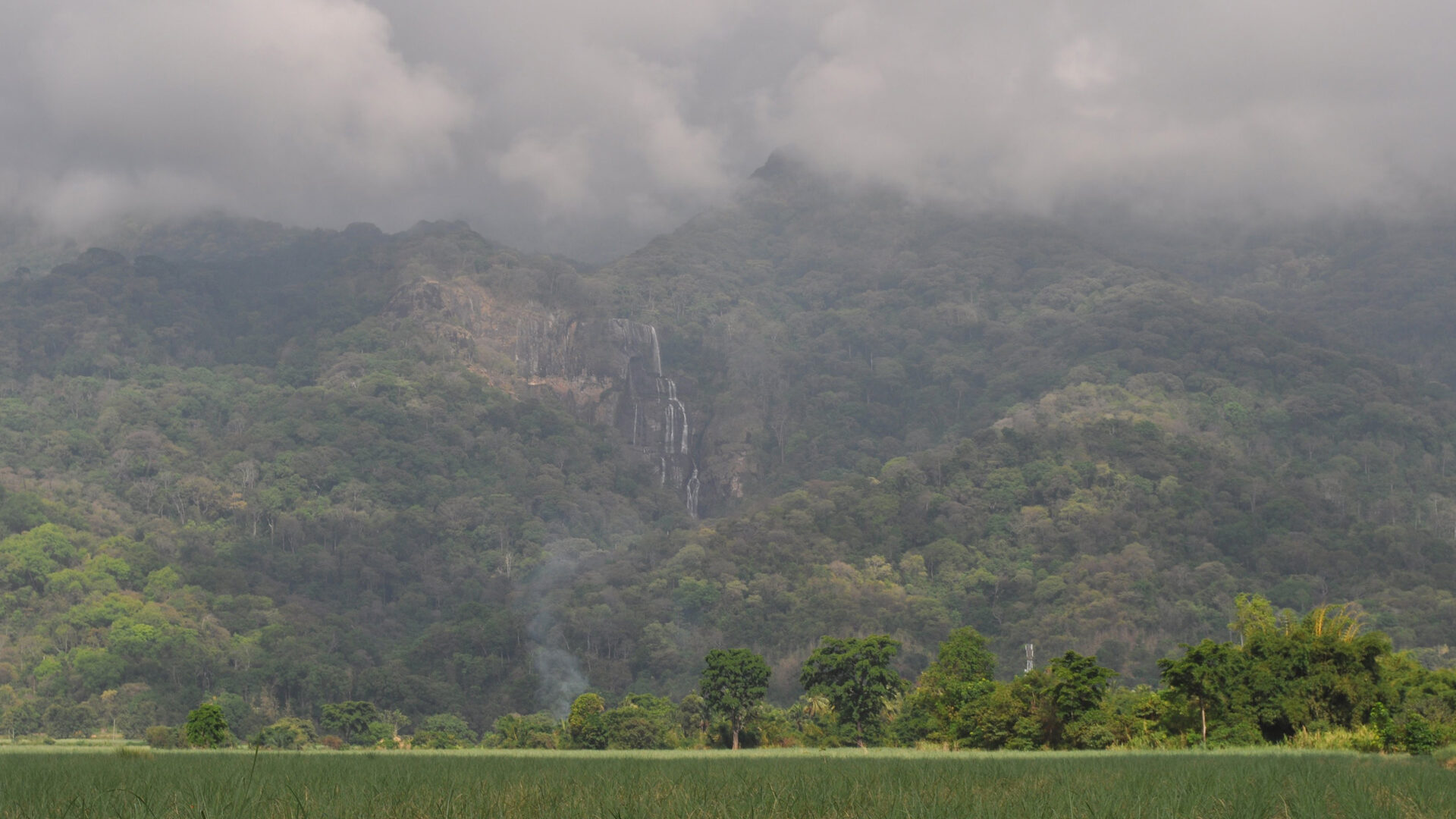
Here are the key elements of the scenery in and around Mikumi: Landscape & Geography: Mkata Floodplain: An open grassy savanna that provides spectacular, sweeping views and excellent wildlife visibility. Mountains and Hills: The park is surrounded on all sides by mountain ranges, creating a dramatic backdrop, particularly the Uluguru Mountains to the east and the Rubeho/Udzungwa Mountains to the southwest.

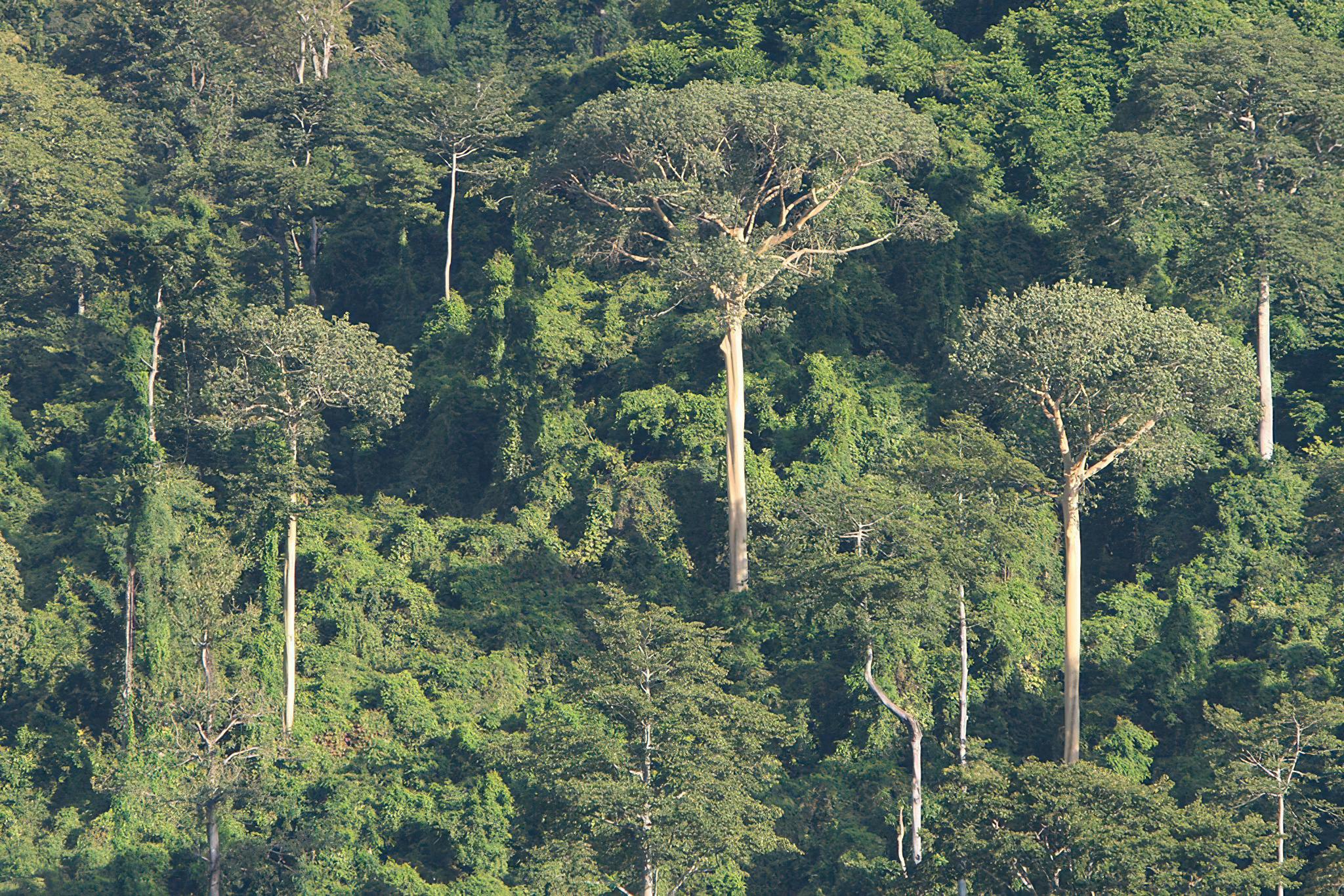
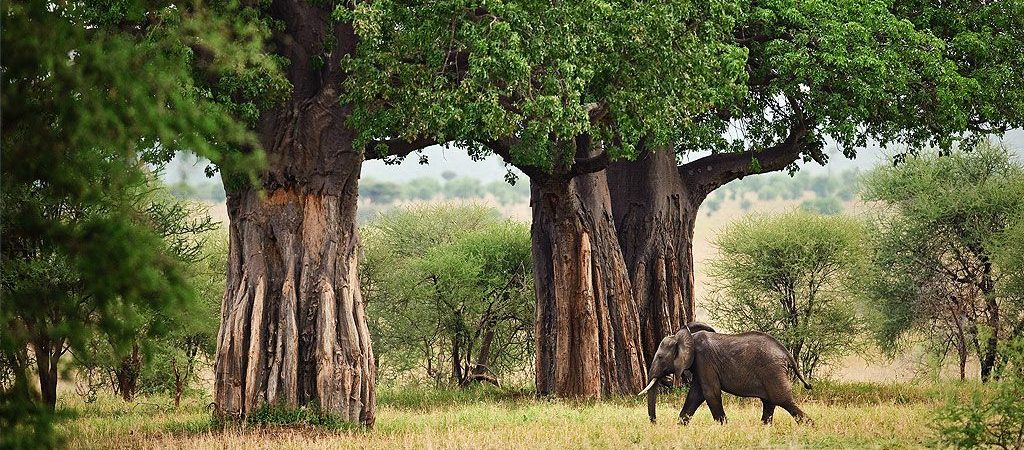
  • Vegetation: A mix of acacia savanna, thick miombo woodland, and scattered iconic baobab trees.
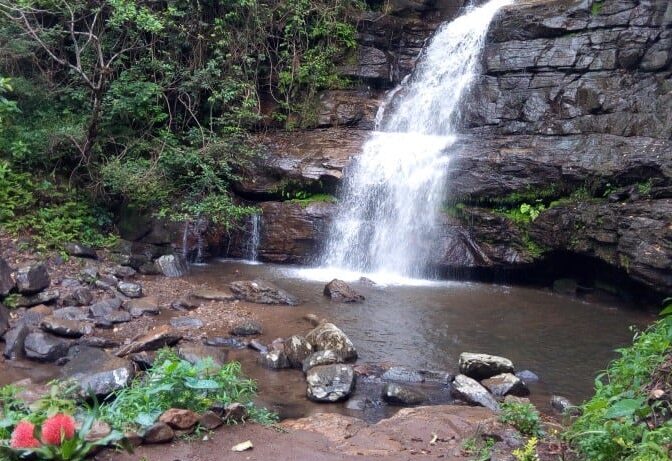
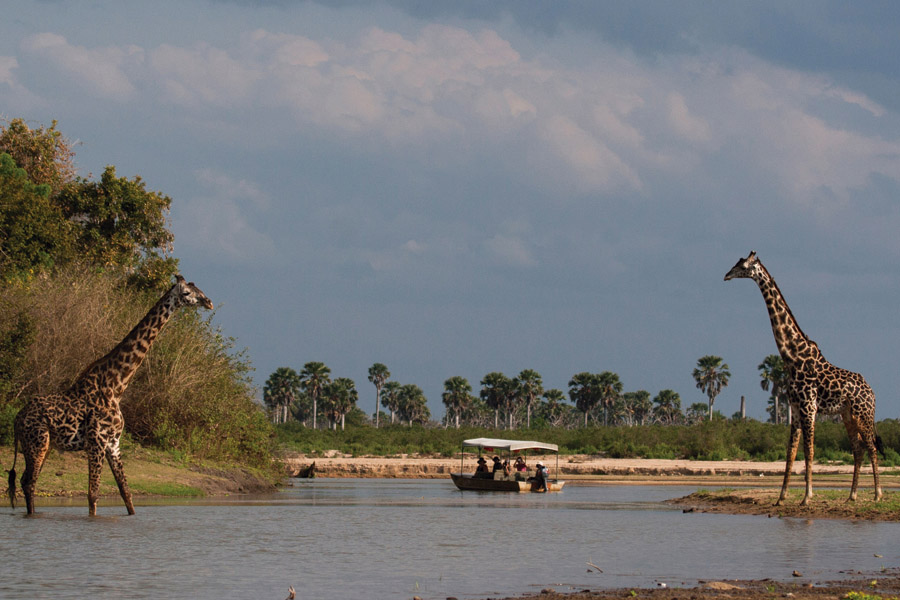
  • Water Sources: The Mkata River and its tributaries, along with specialized hippo pools, are key features.
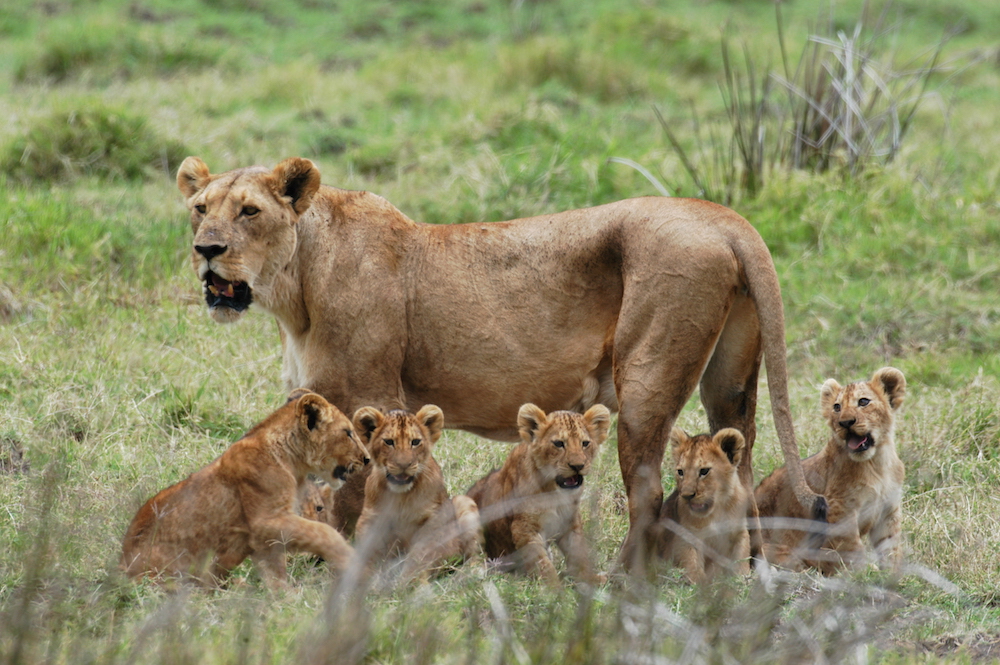
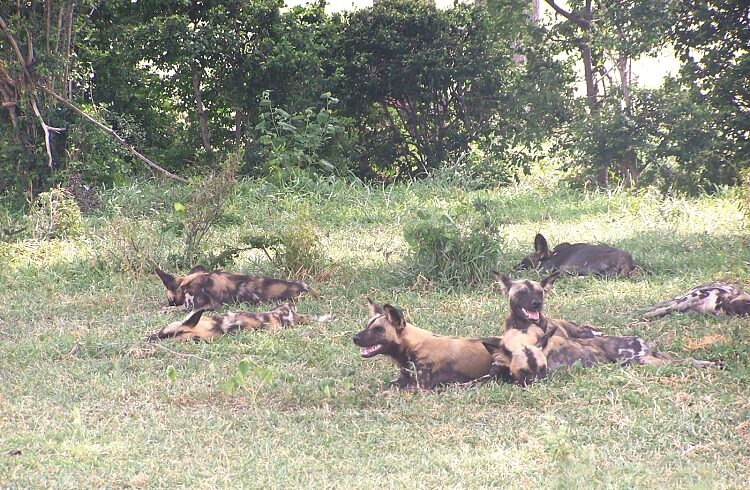
  • Wildlife Scenery (Key Wildlife Spectacles): Lions on Trees/Roads: Lions are frequently spotted resting on the roads or lounging on the branches of acacia trees.
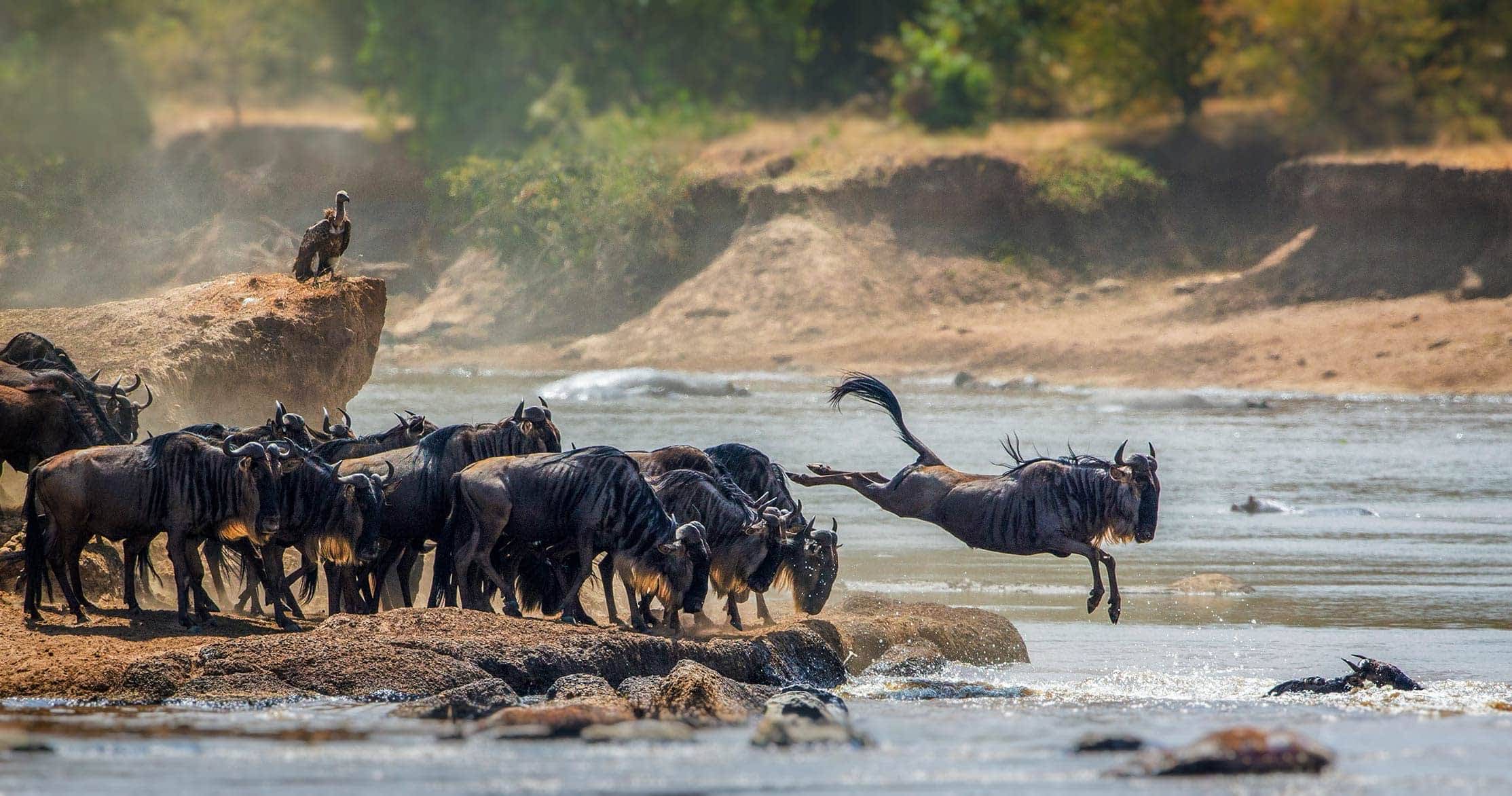
  • Large Herds: Massive herds of buffalo, zebras, wildebeest, and impala are commonly seen grazing on the plains.
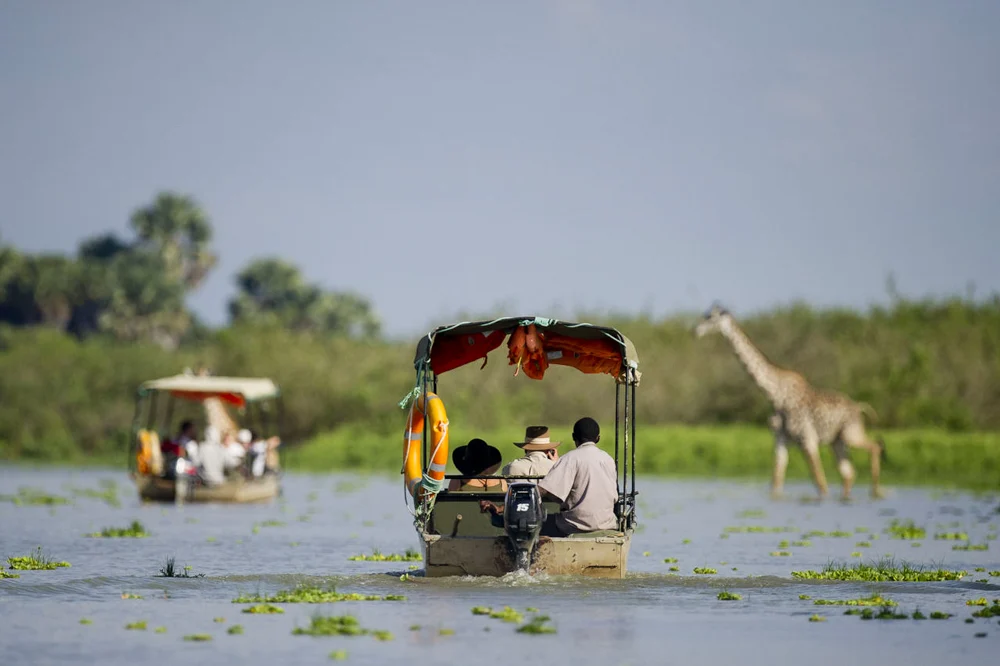
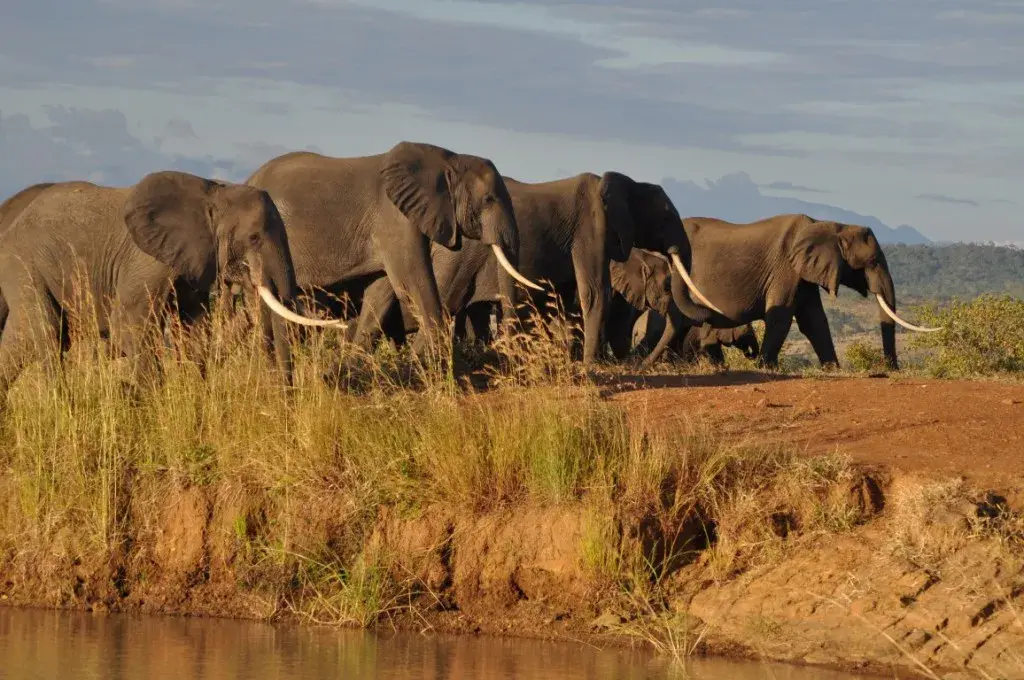
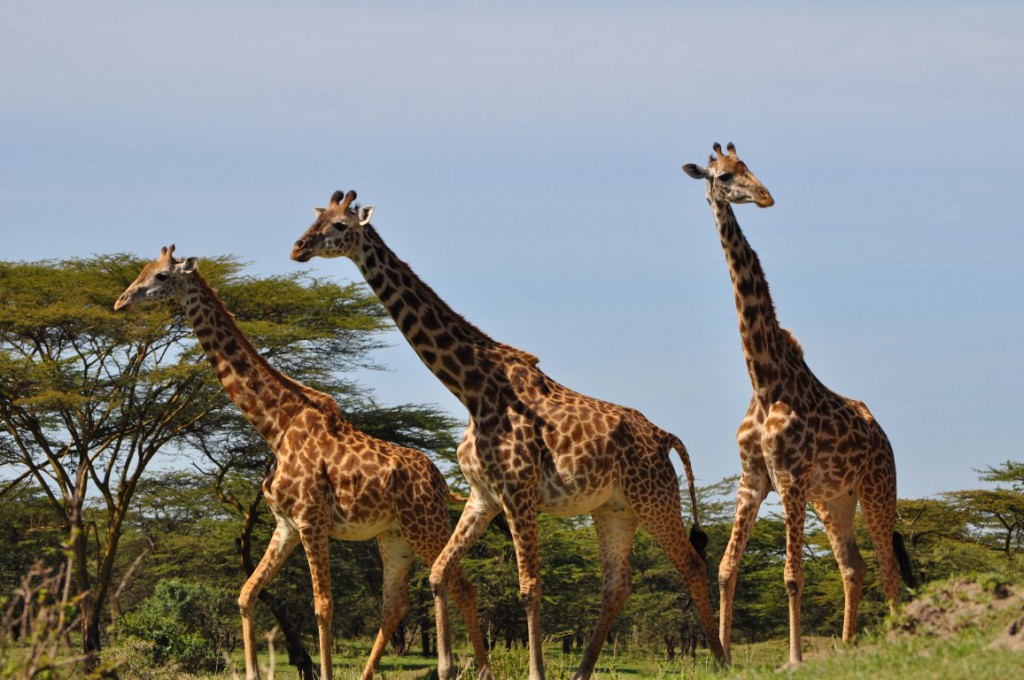
  • Giraffes and Elephants: Masai giraffes and elephants are a prominent feature of the woodland-savanna landscape.
  • Hippo Pools: A dedicated hippo pool offers the chance to see dense groups of hippos and crocodiles, often surrounded by birdlife.
  • Atmosphere and Lighting: Sunrises & Sunsets: The surrounding mountains provide dramatic lighting for sunrises and sunsets.
  • Accessibility: A main highway crosses the park, allowing for unique "drive-through" game viewing, where nature sits immediately adjacent to the road.
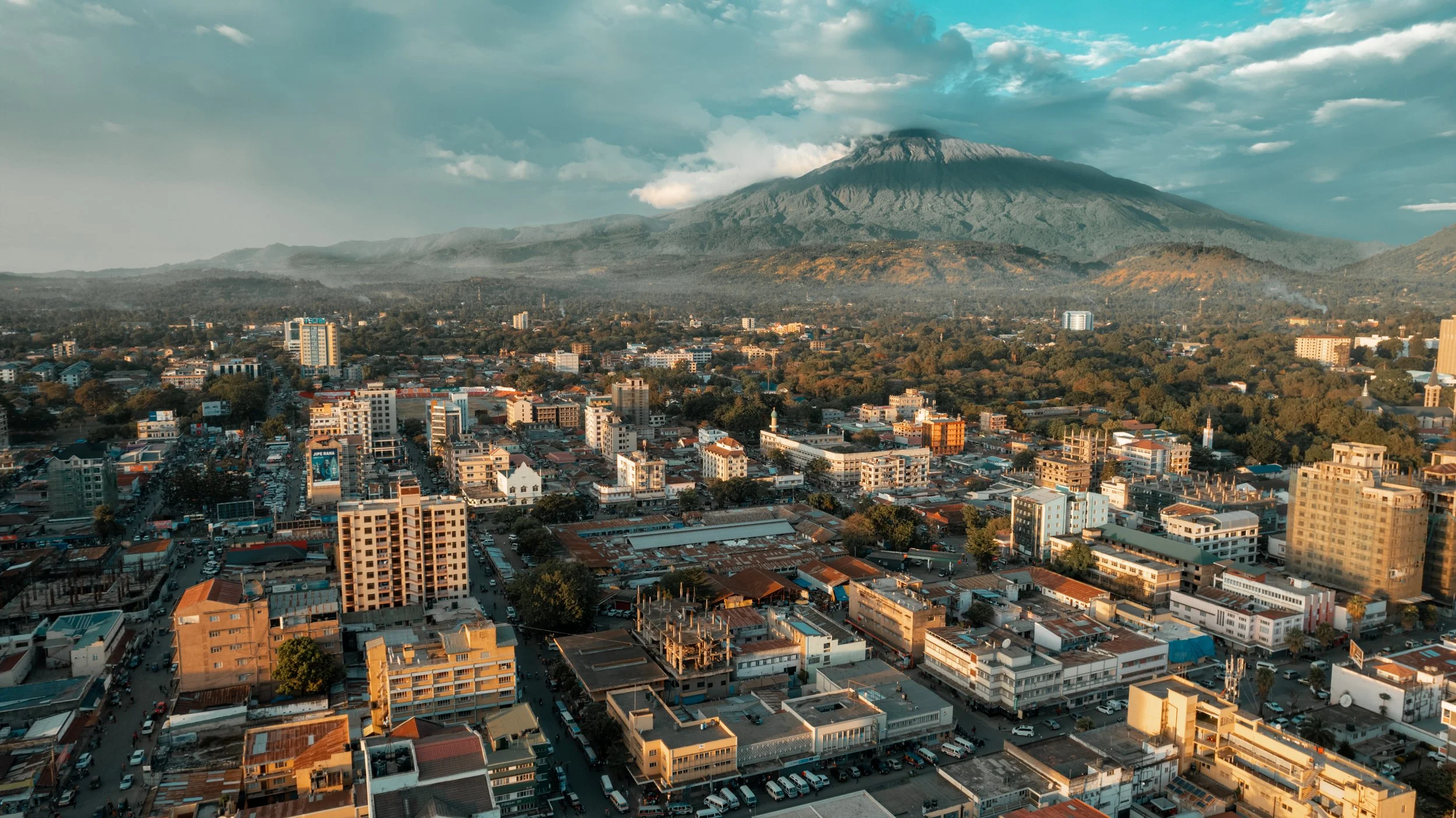
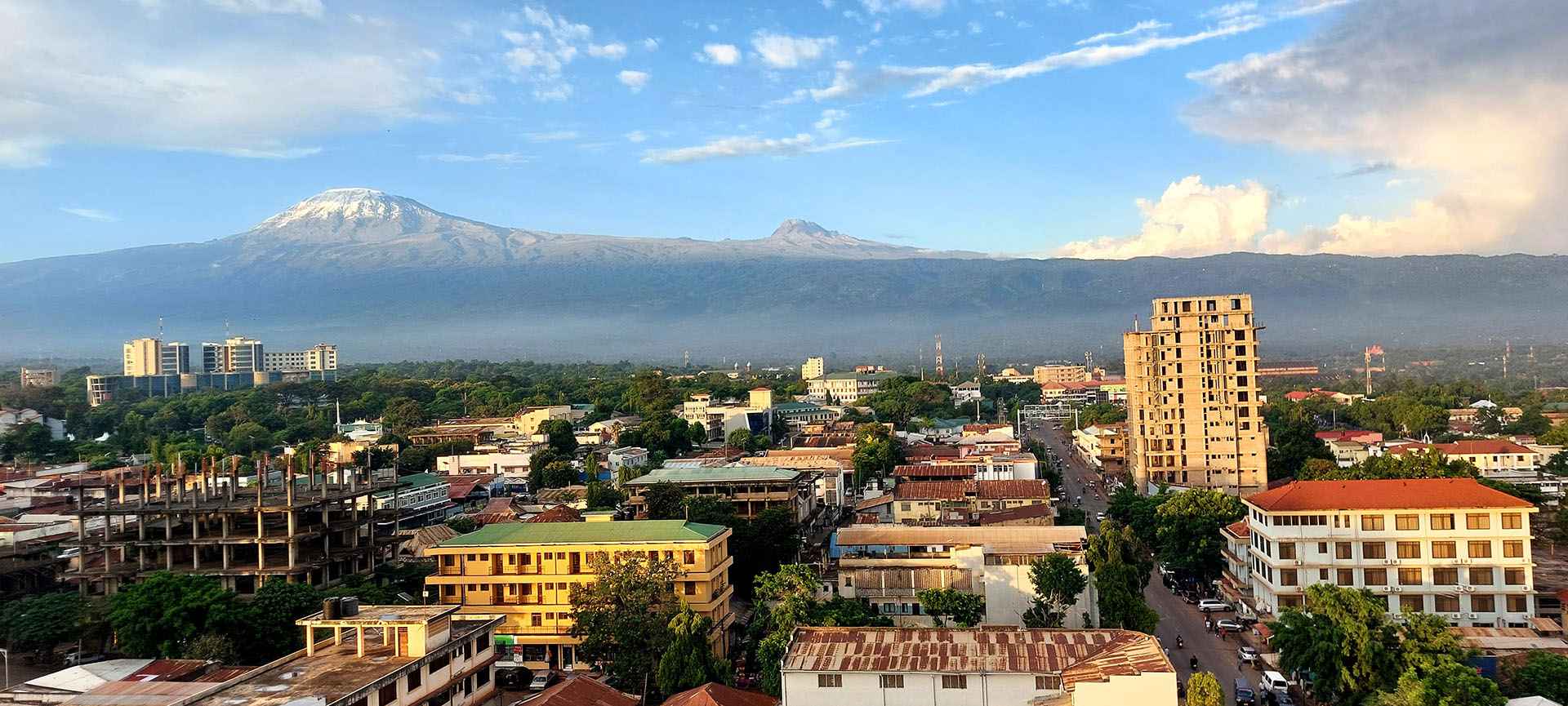
  • The Town of Mikumi: The township of Mikumi serves as a bustling, small stopover town located on the highway leading to the National Park, often characterized as a vibrant transit point with a lively, local feel.

The scenery is generally considered to be most scenic and lush directly after the rainy season (November-May) and best for wildlife viewing during the dry season (June-October).
Map