
Serengeti National Park: The Endless Plains of Africa
The name Serengeti is derived from the Maasai word 'Siringet', meaning "the place where the land runs on forever." As Tanzania’s flagship conservation area and a UNESCO World Heritage site, the Serengeti is arguably the most famous wildlife sanctuary in the world. Spanning nearly 15,000 square kilometers, it offers a raw, cinematic window into the natural world as it has existed for millennia.
The Nature of the Park: A Landscape of Contrast
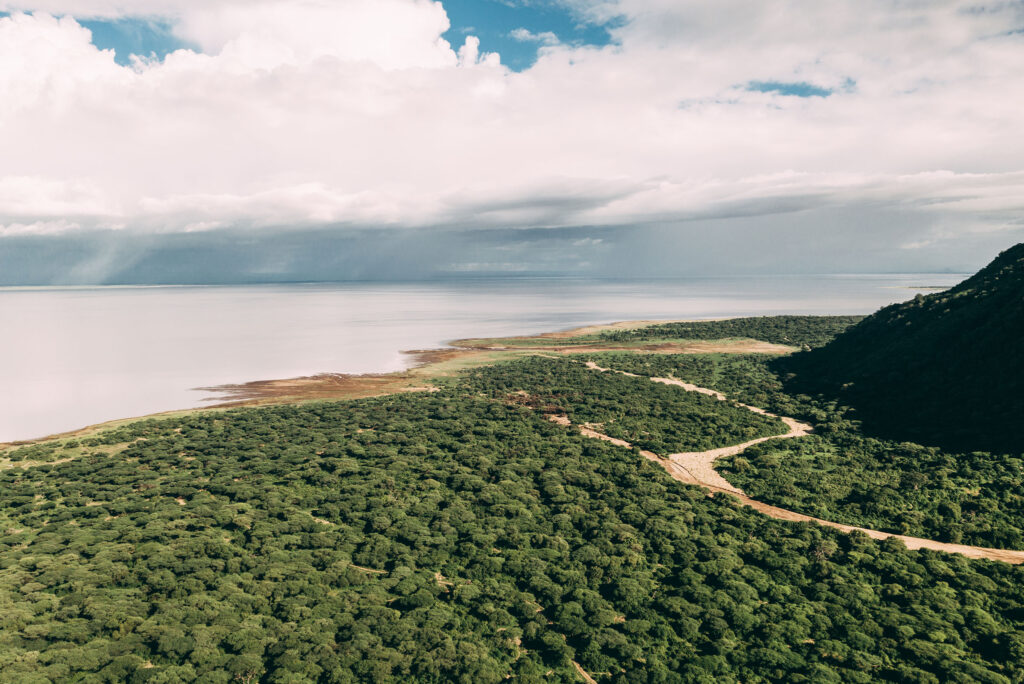
The Serengeti's ecosystem is vast and varied, divided into three distinct regions that each offer a unique safari atmosphere:
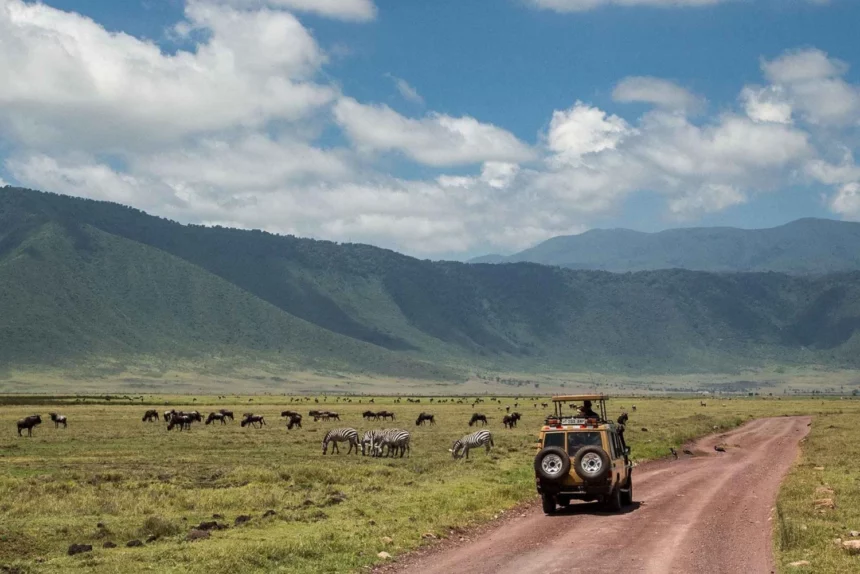
- Serengeti Plains: The iconic image of Africa. These endless, treeless grasslands in the south are where wildebeest breed and predators have an unobstructed view of their prey.
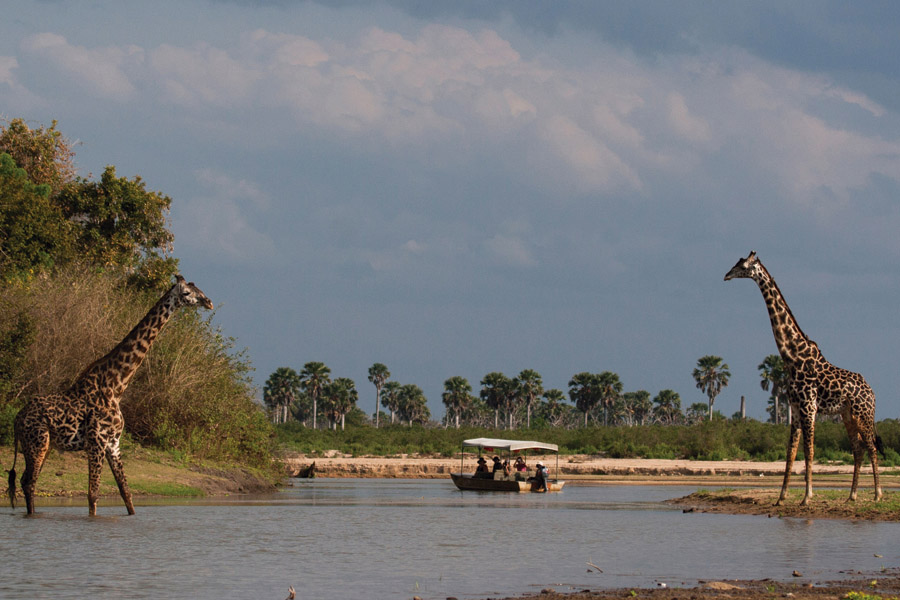
- Western Corridor: Defined by the Grumeti River, this area features gallery forests and swampy savannahs, home to massive Nile crocodiles and hippos.
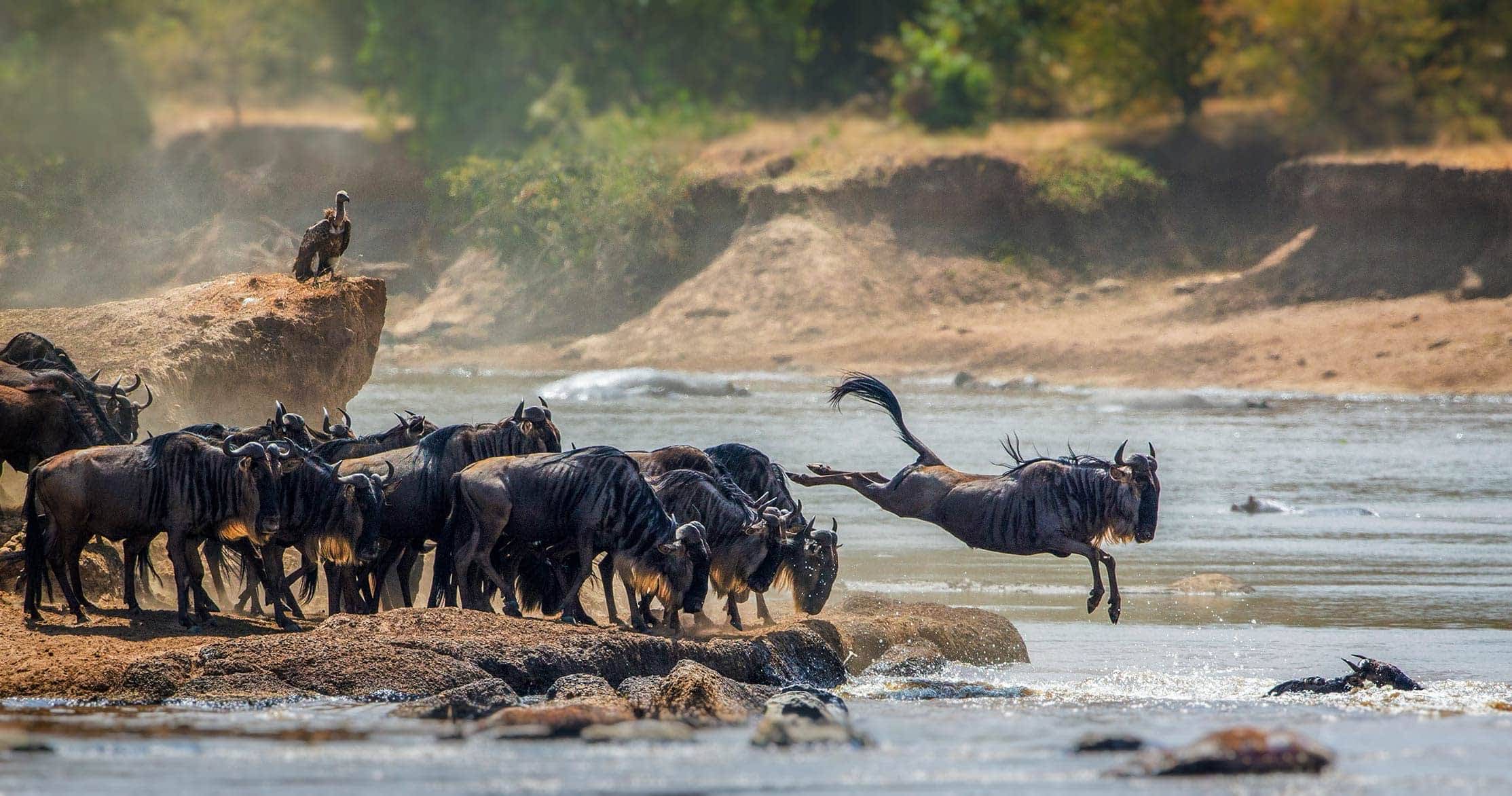
- Northern Serengeti: A landscape of open woodlands and rolling hills, dominated by the Mara River—the site of the most dramatic river crossings.
The Greatest Show on Earth: The Great Migration
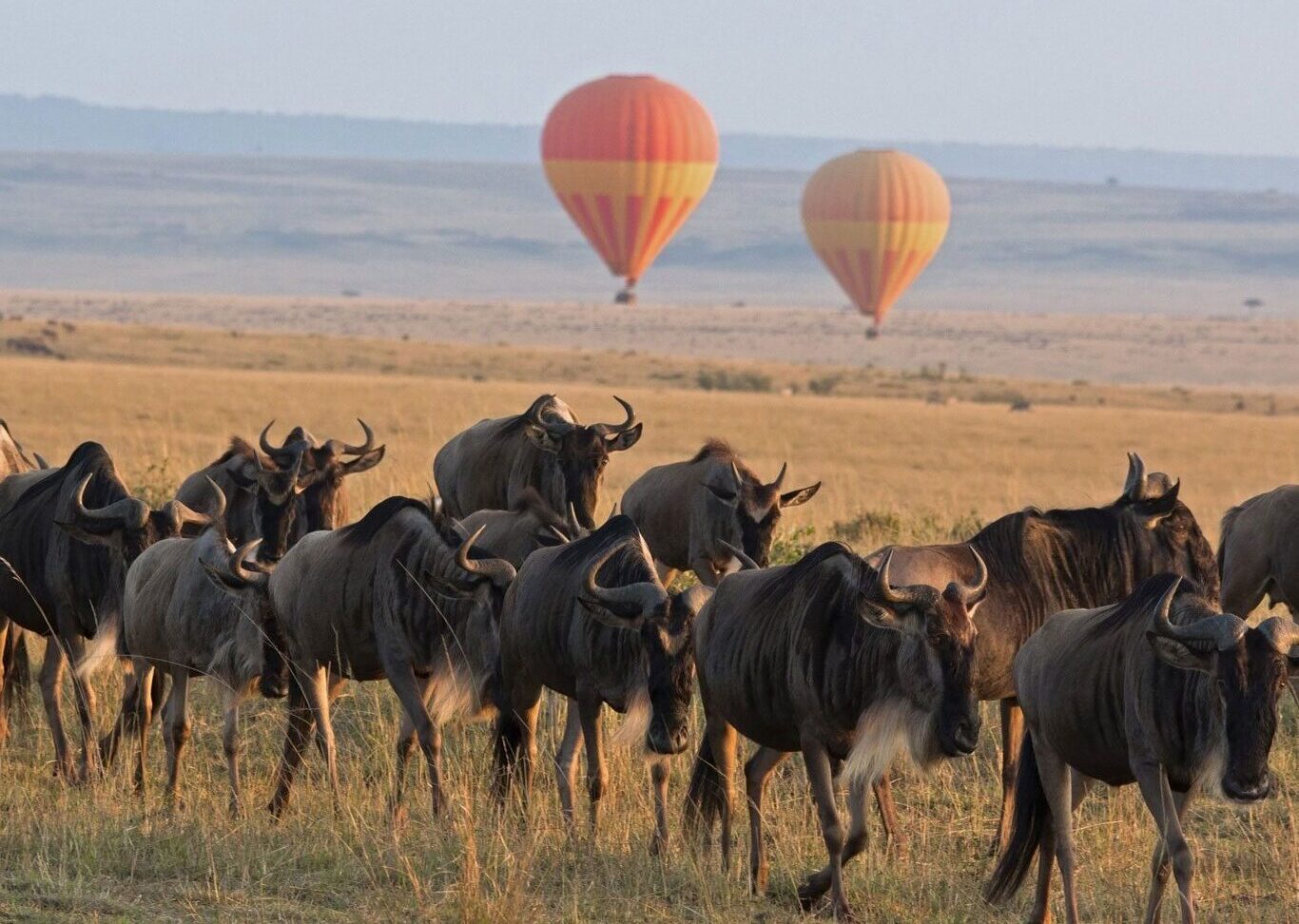
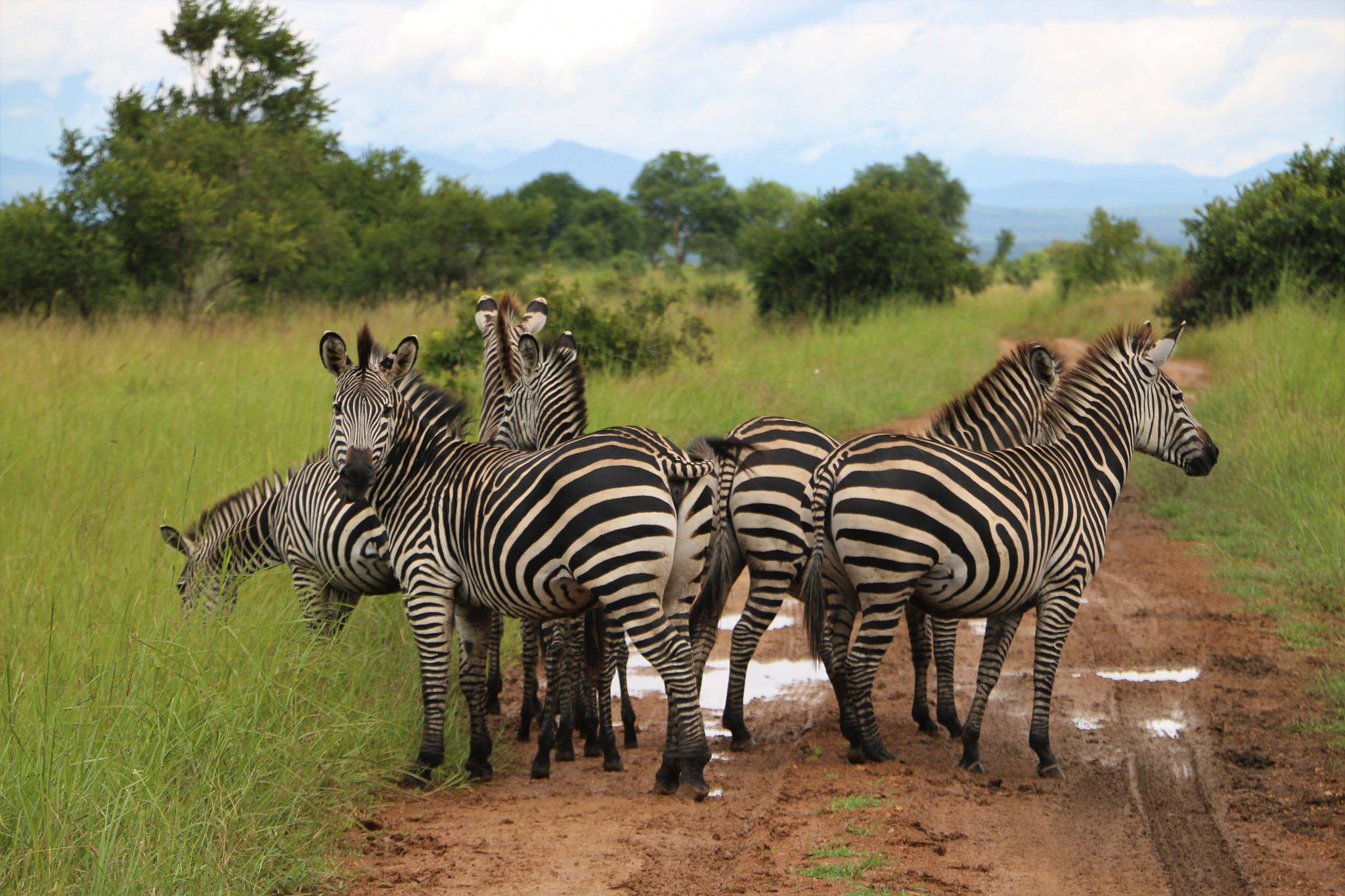
The Serengeti is the stage for the Great Wildebeest Migration, the largest terrestrial mammal migration on the planet. Over 1.5 million wildebeest, 200,000 zebras, and 300,000 gazelles travel in a giant clockwise circle in search of fresh grazing lands.
- Calving Season (Jan–March): Hundreds of thousands of calves are born on the southern plains, attracting high predator activity.
- The Crossing (July–October): The death-defying leap across the Mara River in the north, where crocodiles lie in wait.
Wildlife: Beyond the Migration
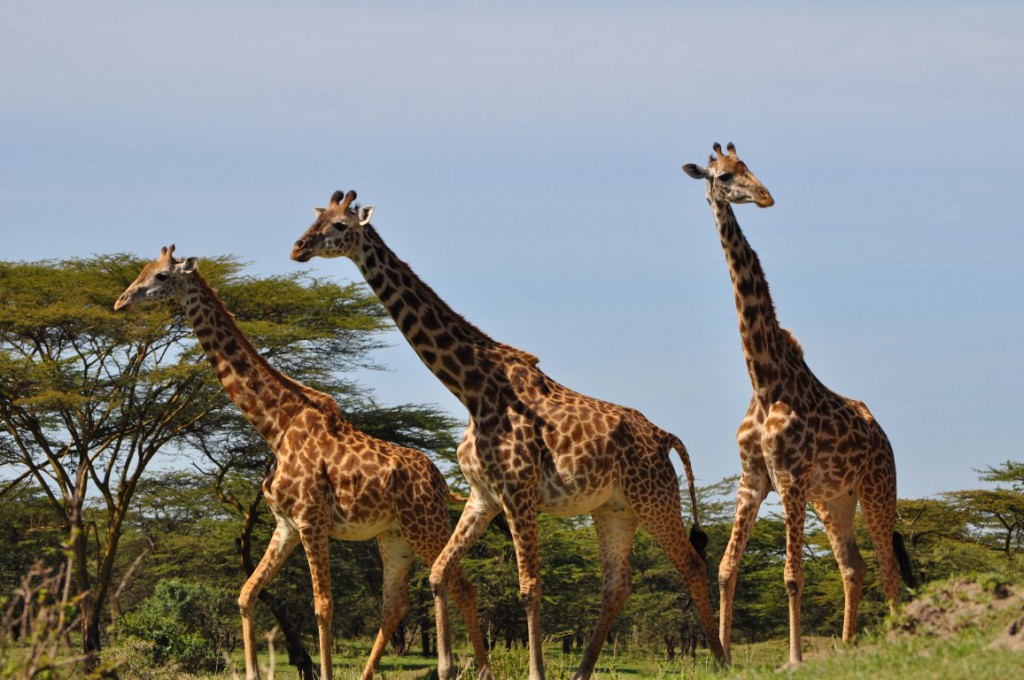
While the migration is the headliner, the Serengeti offers world-class resident wildlife viewing year-round:
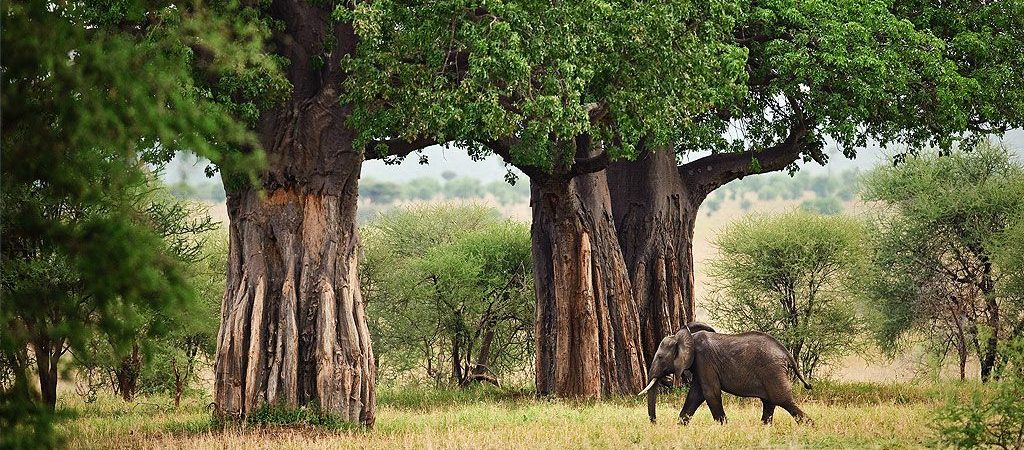
- The Big Five: Healthy populations of Lion, Leopard, Elephant, and Buffalo. The rare Black Rhino can also be found in shielded pockets of the park.
- Predator Density: The Serengeti boasts the highest concentration of large predators in Africa, including over 3,000 lions and a thriving population of cheetahs on the open plains.
- Kopjes: These ancient granite rock formations jut out of the grass like islands, serving as perfect lookout points for lions and leopards.
Seasonal Guide
| Time of Year | Location Focus | Wildlife Highlight |
|---|---|---|
| Dec – March | Southern Serengeti (Ndutu) | Calving season and high cheetah/lion action. |
| April – June | Central & Western Corridor | The "Long Rains"—lush green views and the migration moving North. |
| July – Oct | Northern Serengeti | The dramatic Mara River crossings. |