


The Uluguru Mountains: Tanzania’s Emerald Canopy
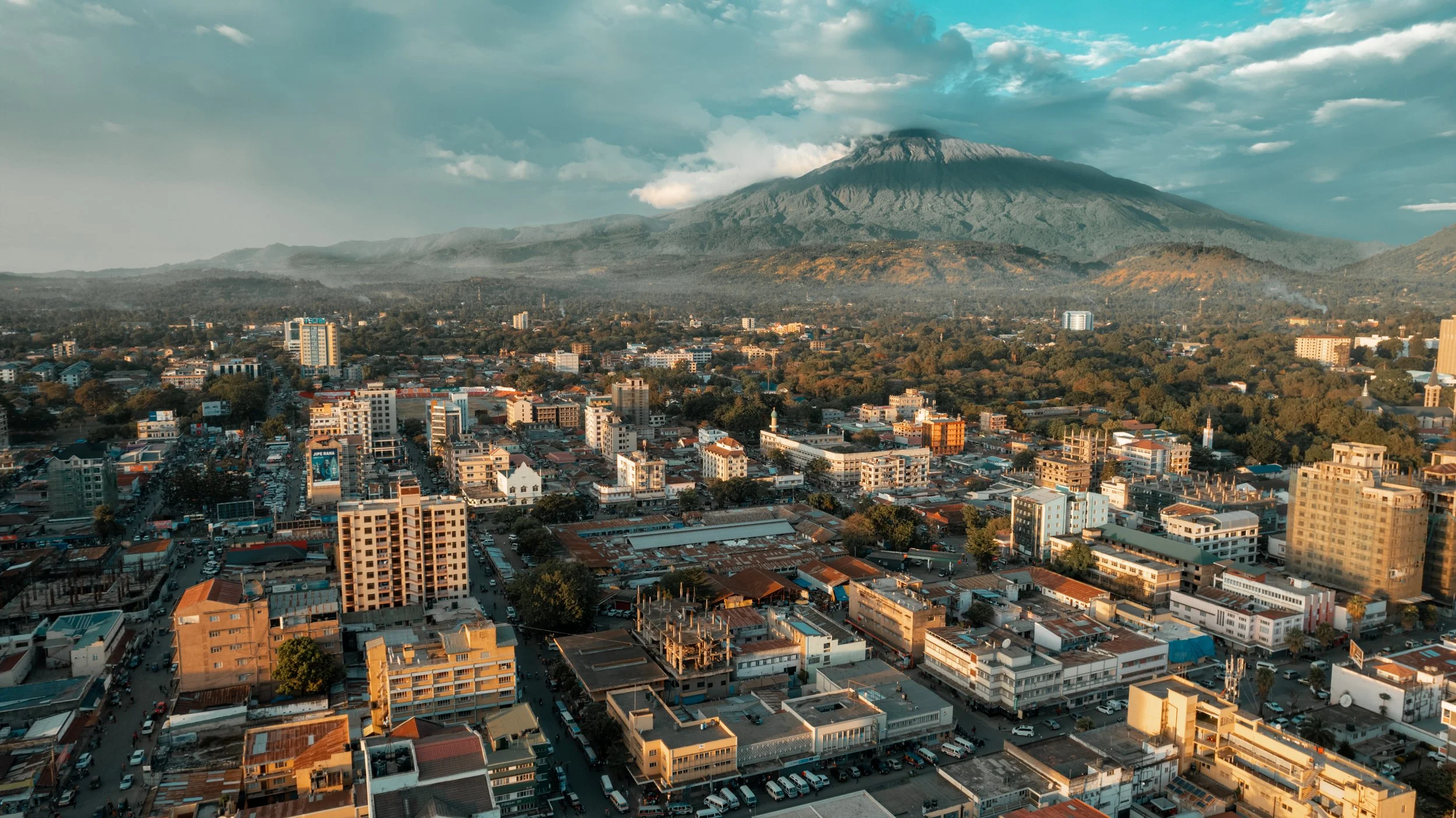
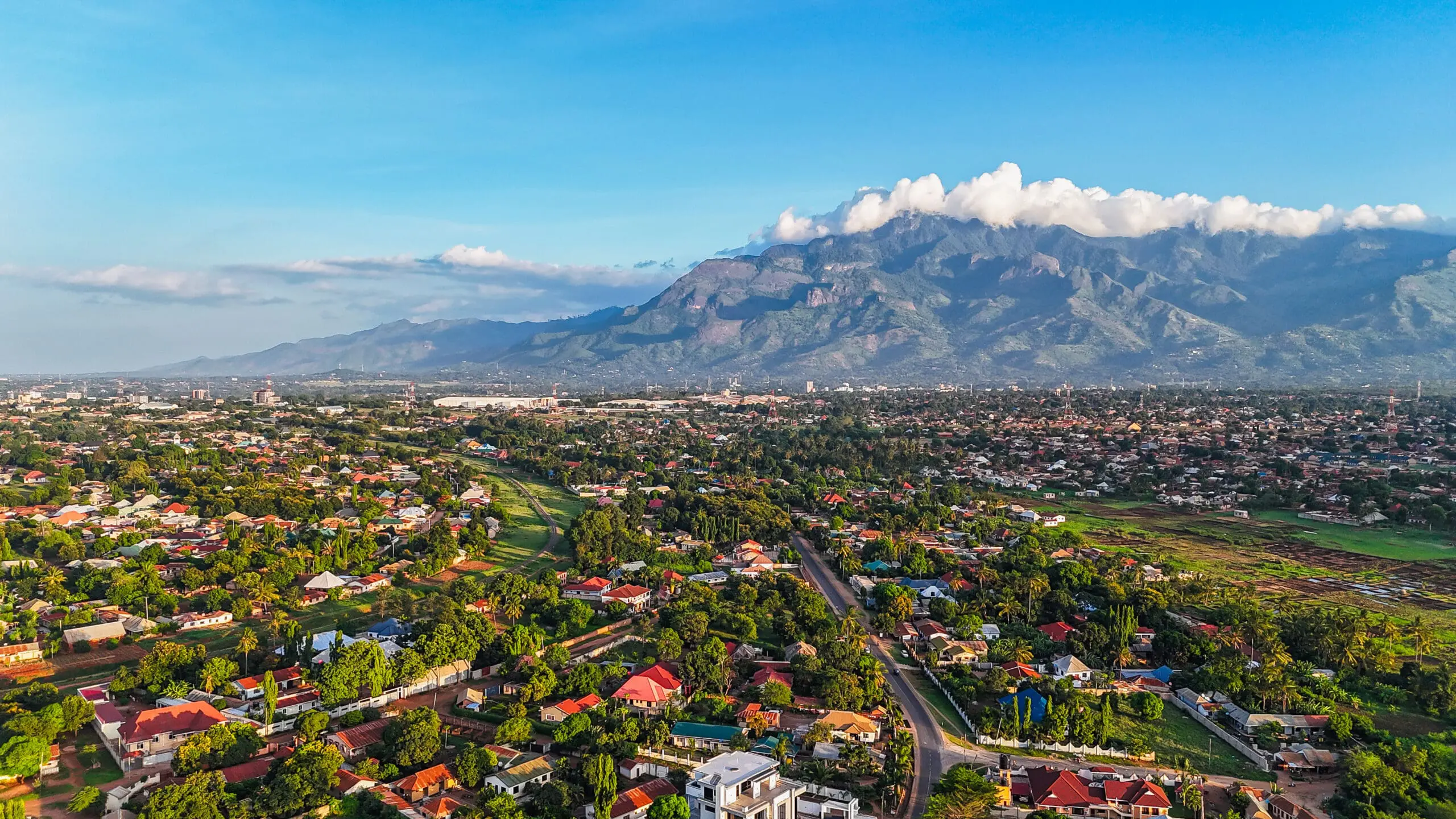
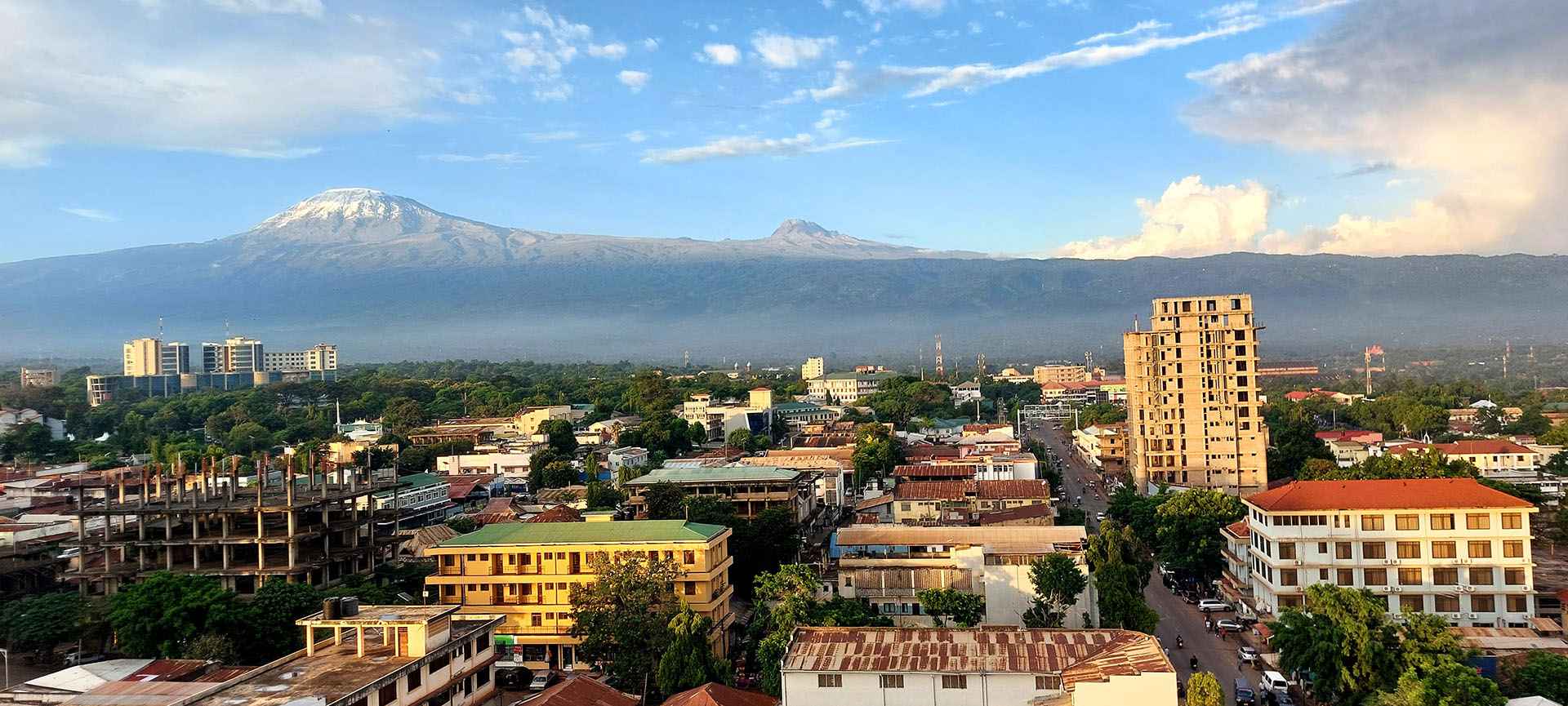
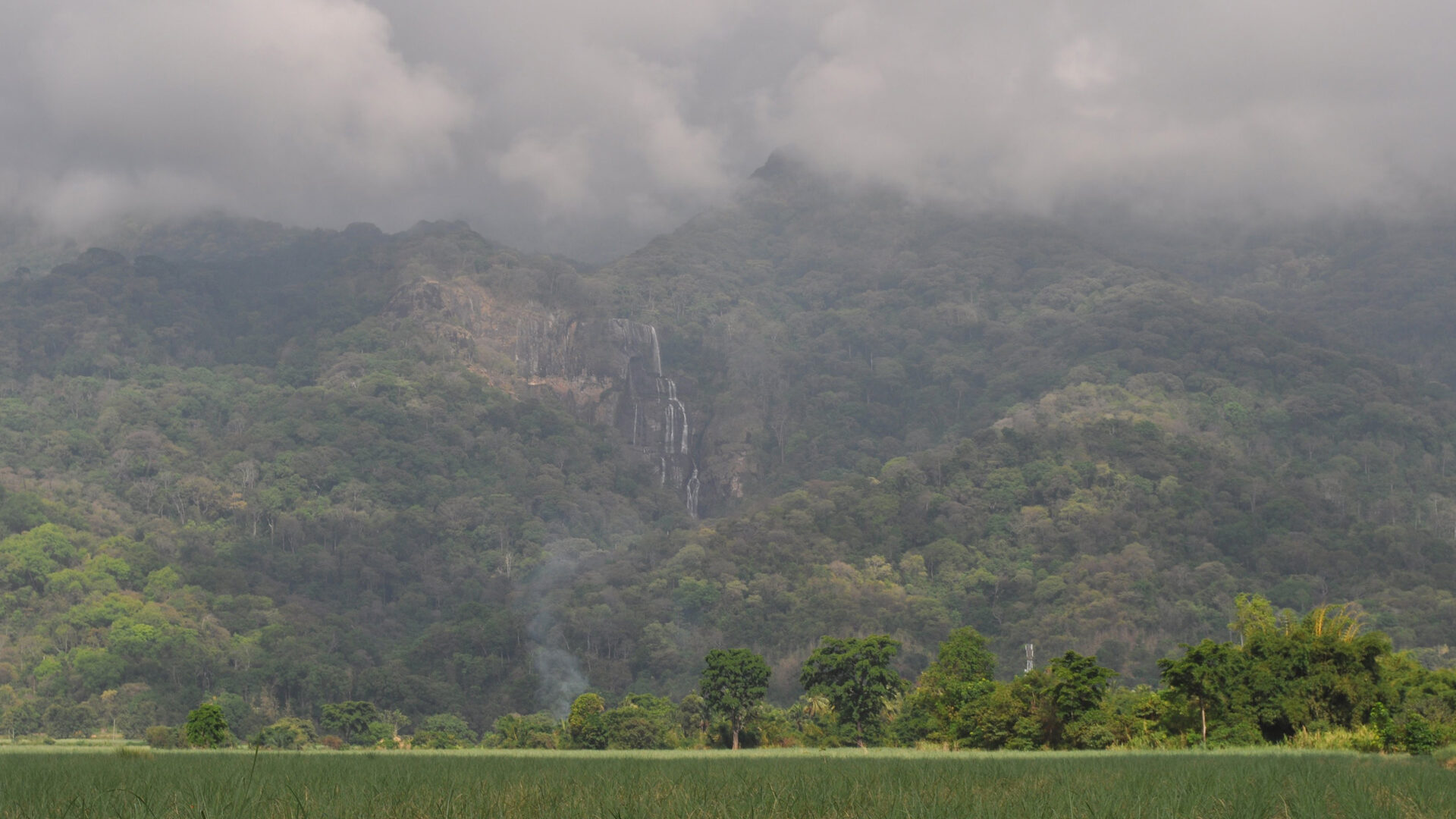
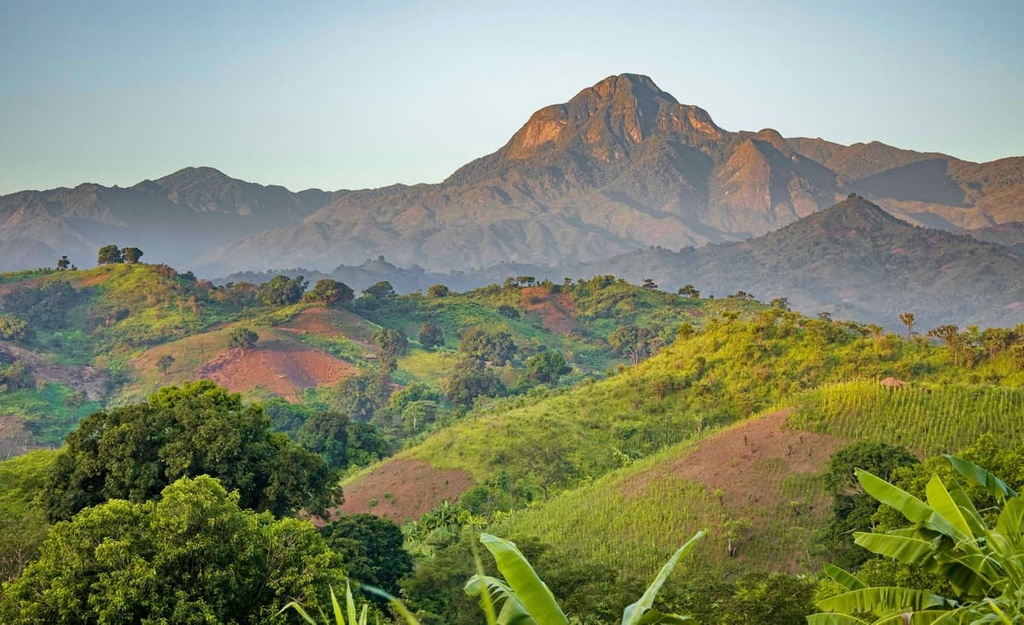
Rising dramatically above the horizon of Morogoro, the Uluguru Mountains are a breathtaking part of the Eastern Arc range. Often referred to as the "Galapagos of Africa" due to their isolated evolution, these mountains offer a cool, misty escape from the coastal heat. Whether you are a dedicated trekker or a nature lover seeking tranquility, the Ulugurus provide an authentic Tanzanian experience far from the beaten path.
Nature in Detail: A Biodiversity Powerhouse
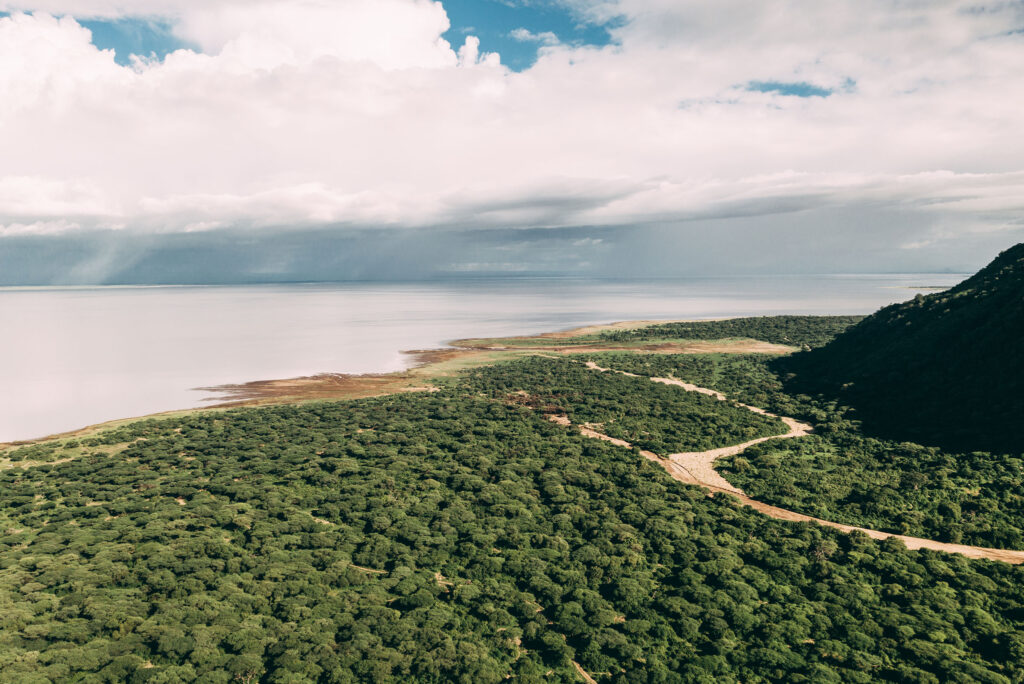
The Uluguru Nature Forest Reserve is a global conservation priority, boasting ecosystems that shift from lowland coastal forests to sub-montane and afro-alpine grasslands.
- Endemic Wonders: The mountains are home to over 100 plants, 2 birds (the Uluguru Bush-shrike and Loveridge's Sunbird), and several reptiles found nowhere else on Earth.
- The Water Tower: These peaks serve as a vital water catchment for the Ruvu River, supplying the lifeblood for the millions of residents in Dar es Salaam.
- Flora: You will encounter ancient giant ferns, wild orchids, and the original wild ancestors of the world-famous African Violet.
Top Attractions & Activities
From casual walks to grueling summit climbs, the Ulugurus offer diverse trails for every fitness level:
- Morningside: A historic German-era hut at 1,000m altitude. It offers the most iconic panoramic view of Morogoro town and the plains beyond.
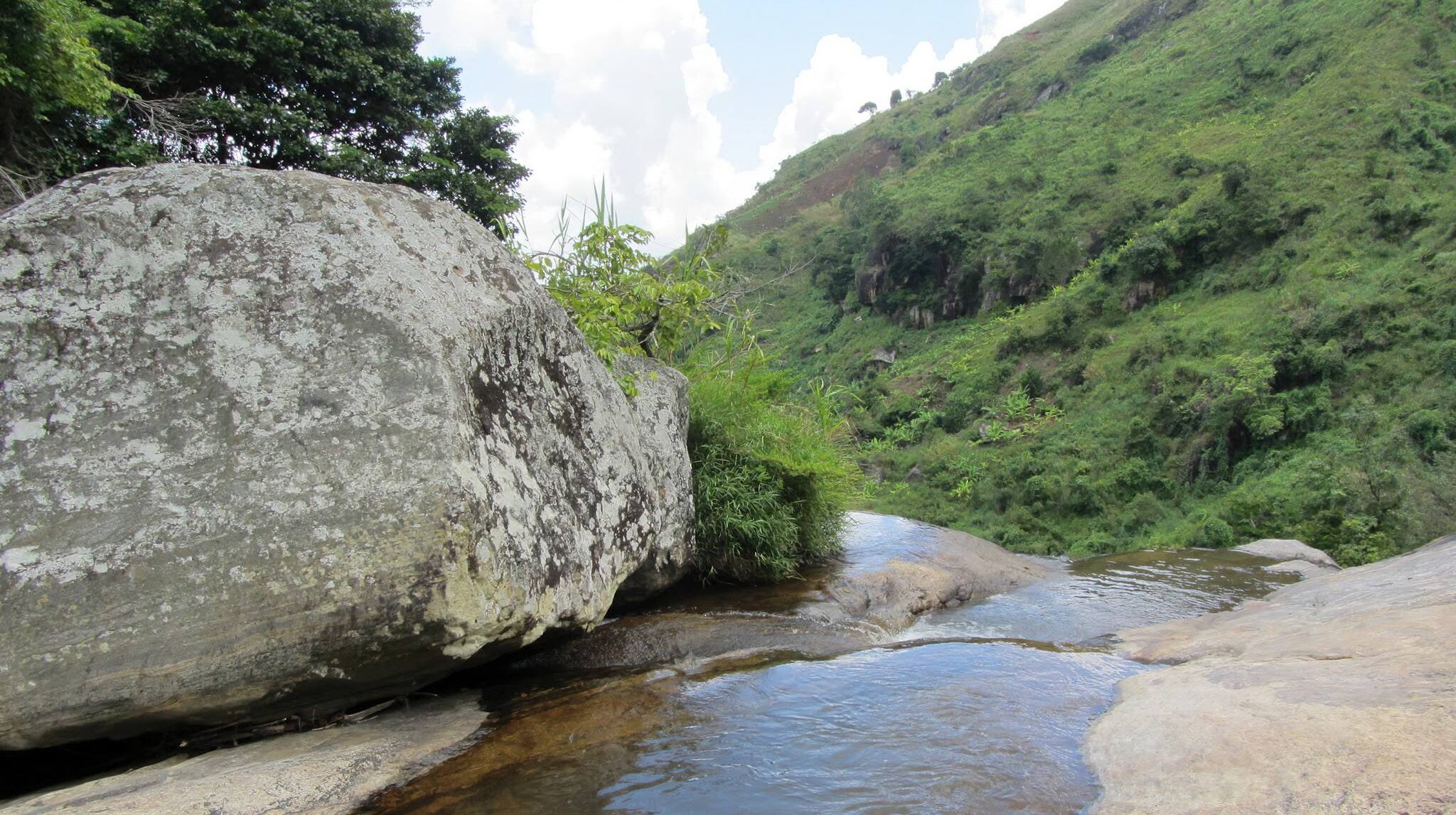
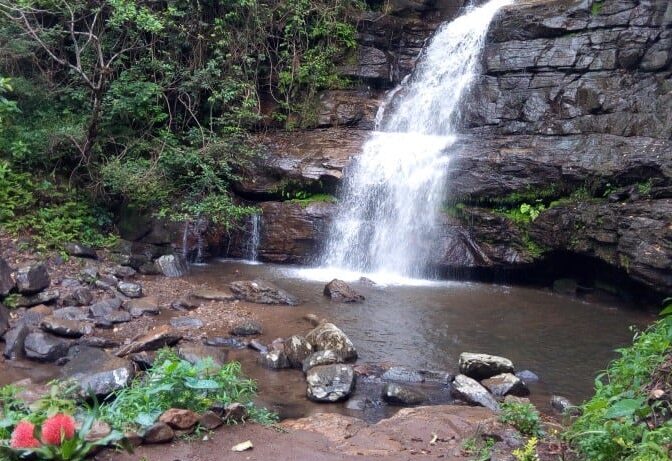
- Choma Waterfalls: A popular, moderate hike through Waluguru villages. The falls provide a refreshing natural pool—perfect for a post-hike swim.
- Bondwa & Lupanga Peaks: For the serious adventurer. Reaching these summits (over 2,100m) requires a full day of trekking through dense, moss-covered rainforests.
- Cultural Village Tours: Visit the Waluguru people. Learn about their unique matrilineal heritage and see the ingenious terraced farming methods they use on steep mountain slopes.
Traveler Essentials
| Feature | Details |
|---|---|
| Location | Morogoro (Approx. 3 hours from Dar es Salaam) |
| Best Time | June to October (Dry season) for the best hiking conditions. |
| What to Bring | Sturdy boots, rain gear (mist is common), and binoculars for birding. |