

Tarangire National Park: A Sanctuary of Giants
Often overshadowed by its neighbor, the Serengeti, Tarangire National Park is a hidden gem that offers one of Africa’s most authentic and "otherworldly" safari experiences. Known as the "Land of Giants," this park is defined by two massive icons: its prehistoric-looking Baobab trees and its enormous elephant herds. Spanning 2,850 square kilometers, Tarangire offers a quieter, more intimate encounter with the wild.
The Nature of Tarangire: A Dynamic Ecosystem
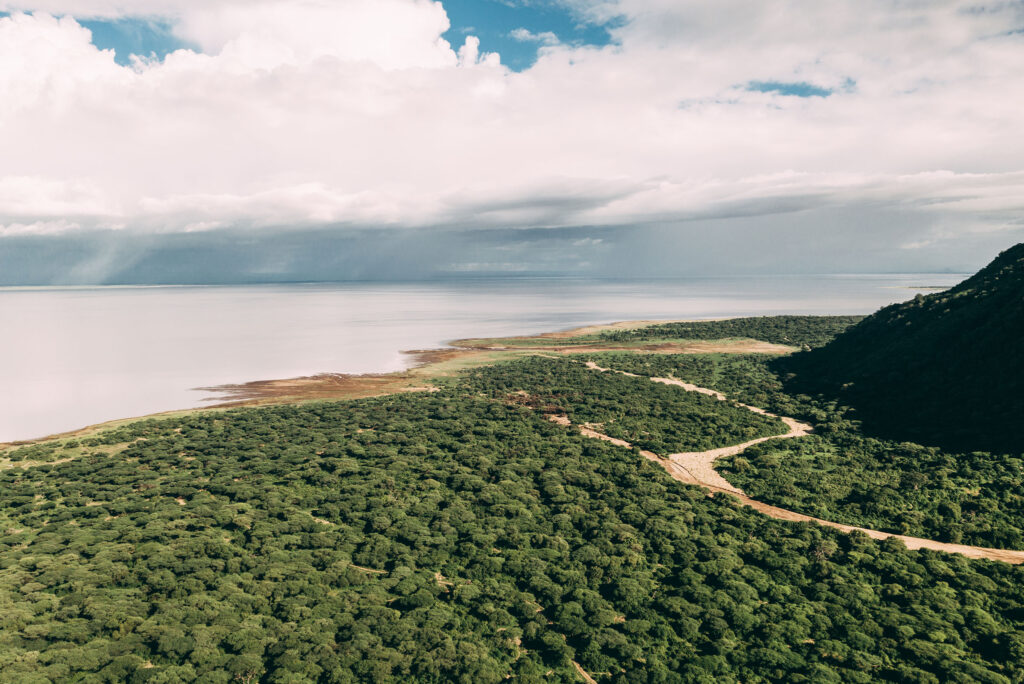
The park's landscape is strikingly different from the flat grassy plains of northern Tanzania. It is a rugged, beautiful terrain consisting of:
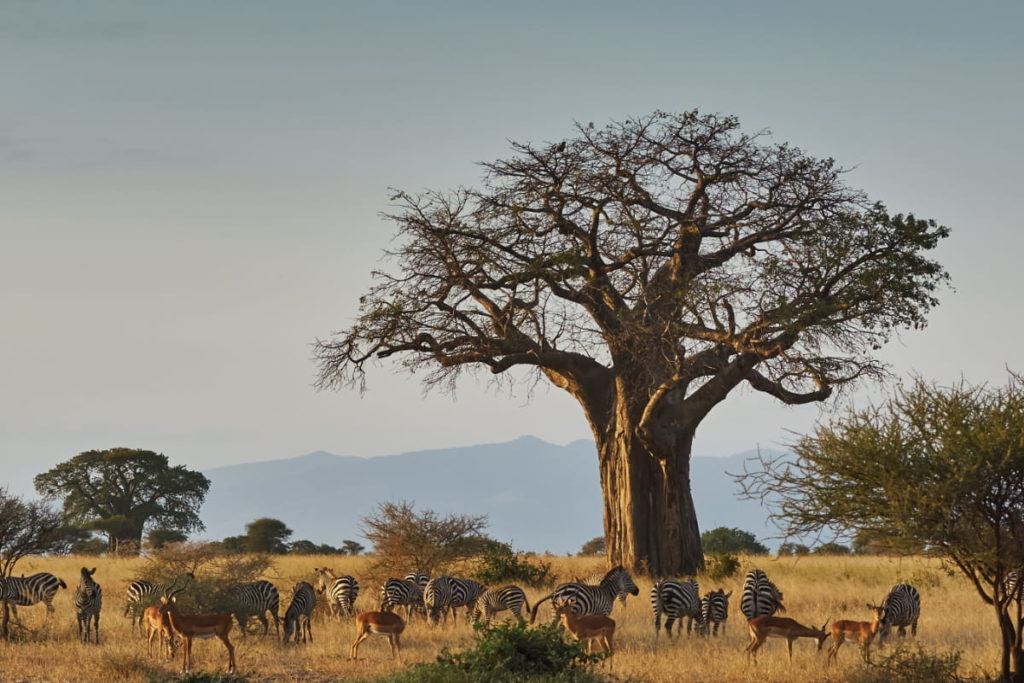
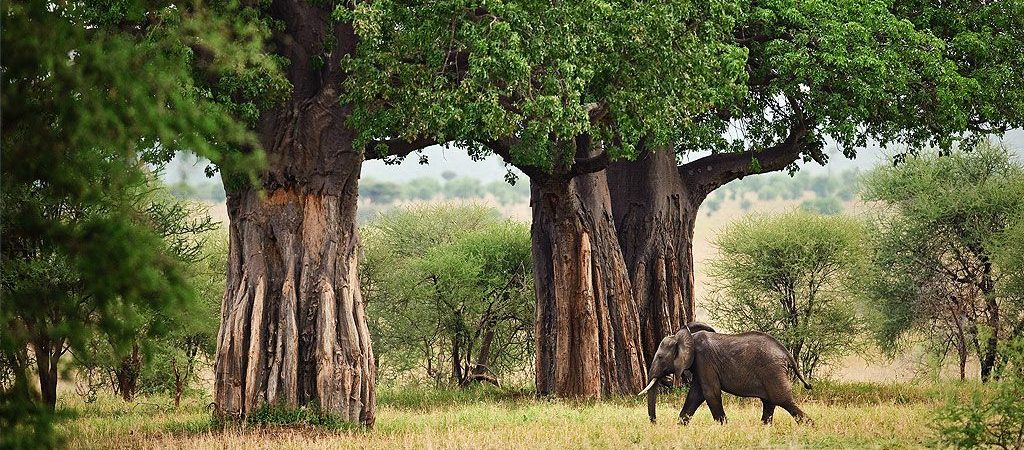
- Ancient Baobab Trees: These "Trees of Life" dominate the horizon. Some are over 1,000 years old, with massive silver trunks that create a surreal, cinematic backdrop for wildlife photography.
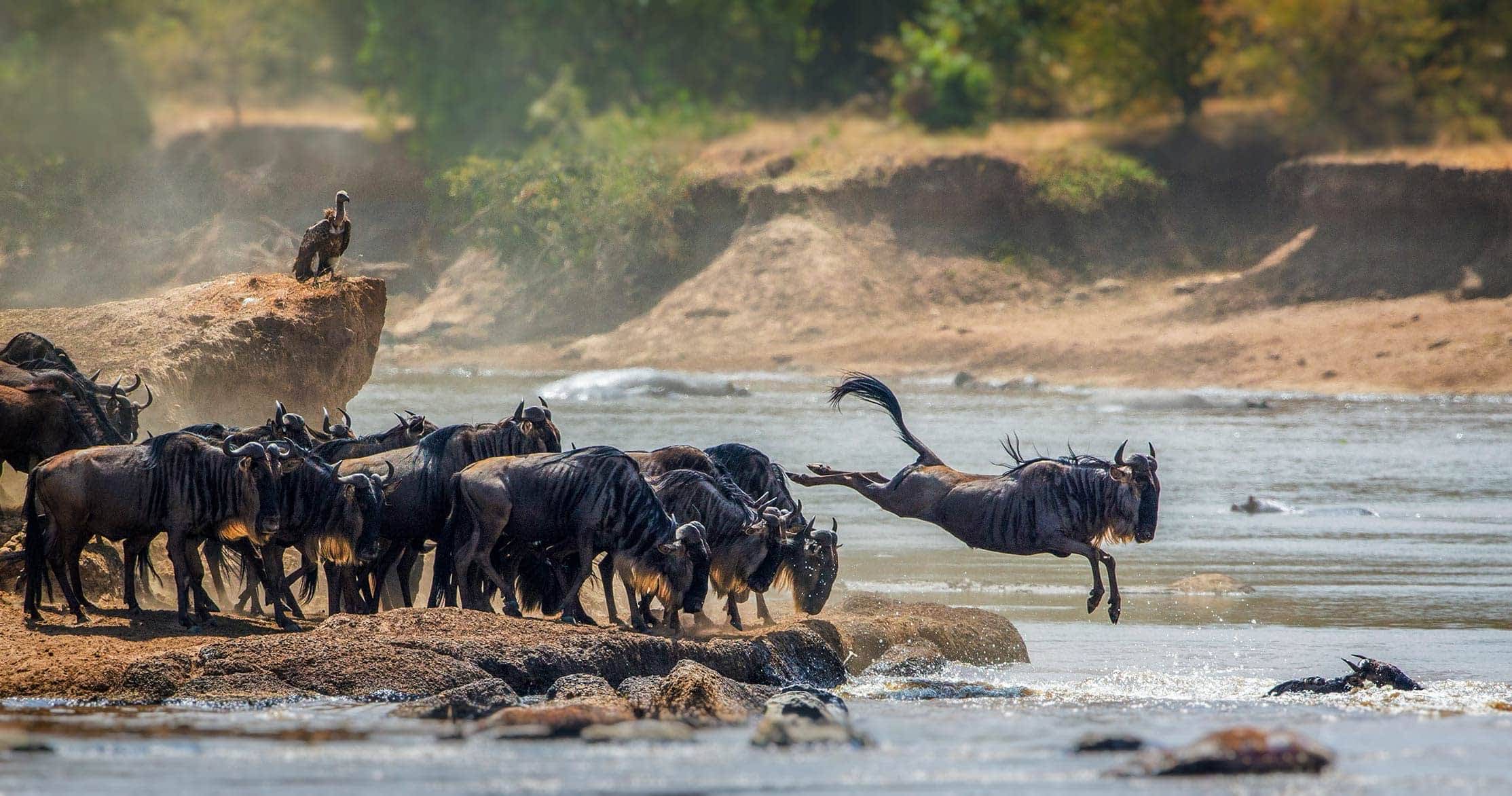
- The Tarangire River: The park’s namesake and lifeblood. During the dry season, this river becomes the only permanent water source in the entire region, drawing thousands of animals in a "mini-migration."
- Silale Swamps: A vast green oasis that acts as a giant sponge, staying lush and attracting wildlife even when the rest of the park is parched and golden.
Wildlife: The Elephant Empire
Tarangire is famous for having the highest concentration of elephants in North Tanzania. It is not uncommon to see herds of up to 300 elephants moving together across the riverbeds.
- Predator Action: With such high numbers of prey, lions and leopards are frequently spotted. The park is also one of the few places where you might see tree-climbing lions lounging in the ancient pythons of sausage trees.
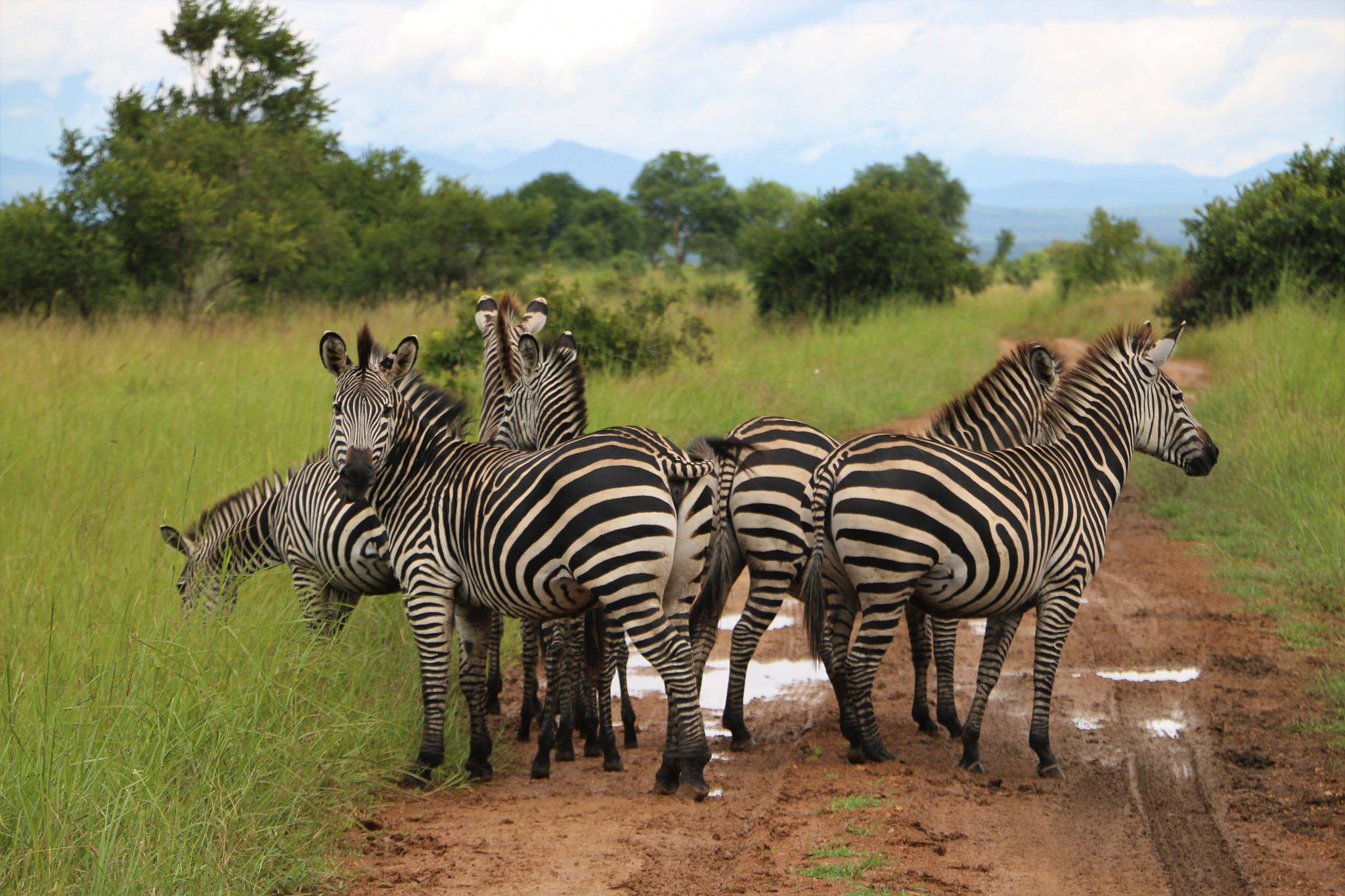
- Unique Species: Look out for the fringe-eared oryx and the long-necked gerenuk—rare antelopes that thrive in this semi-arid environment.
- A Birder’s Paradise: With over 550 species, Tarangire boasts the most breeding bird species in a single habitat anywhere in the world. From the tiny Yellow-collared Lovebird to the massive Kori Bustard, the variety is staggering.
Safari Planner
| Season | Best For... | Experience |
|---|---|---|
| Dry (June – Oct) | Peak Wildlife Viewing | Massive congregations of animals at the river; easy to spot predators. |
| Green (Nov – May) | Birding & Photography | Lush, emerald-green landscapes, wildflowers, and newborn calves. |